

Kuwaiti interior design blends oil wealth opulence with traditional aesthetics. It reflects a unique fusion of luxury and cultural heritage.
Kuwaiti interior design stands out through its elegant fusion of wealth and tradition. This style leverages the prosperity from the oil industry to incorporate luxurious materials and sophisticated designs. Traditional elements, such as intricate patterns and handcrafted details, maintain cultural authenticity.
The use of rich textures, vibrant colors, and exquisite craftsmanship creates spaces that are both lavish and rooted in heritage. Kuwaiti interiors often feature ornate woodwork, plush fabrics, and artisanal decor, reflecting a deep appreciation for art and history. This balance of modern luxury and traditional values offers a distinctive and captivating aesthetic in Kuwaiti homes.
Credit: www.ul.com
Historical Context
Kuwaiti interior design is a blend of oil wealth and traditional aesthetics. This unique combination is deeply rooted in the nation’s history. Understanding the historical context helps to appreciate the evolution of Kuwaiti homes.
Pre-oil Era Homes
Before the oil discovery, Kuwaiti homes were simple and functional. Traditional Kuwaiti houses were made from mud, stone, and palm leaves. These materials were locally sourced. Homes had courtyards to provide shade and ventilation. The design focused on practicality and climate adaptation.
- Materials: mud, stone, palm leaves
- Features: courtyards for shade
- Focus: practicality, climate adaptation
Influence Of Oil Wealth
The oil boom in the mid-20th century transformed Kuwaiti homes. Oil wealth introduced new materials and styles. Modern architecture mixed with traditional elements. Homes became larger and more luxurious. Marble, glass, and steel replaced mud and stone. The design incorporated modern amenities while preserving cultural identity.
| Era | Materials | Features |
|---|---|---|
| Pre-Oil | Mud, Stone, Palm Leaves | Simple, Functional, Courtyards |
| Post-Oil | Marble, Glass, Steel | Luxurious, Modern Amenities, Cultural Preservation |
Oil wealth reshaped Kuwaiti interior design, blending luxury with tradition. This historical journey shows the resilience and adaptability of Kuwaiti culture.
Traditional Kuwaiti Elements
Kuwaiti interior design blends oil wealth and traditional aesthetics. Traditional elements give each space a unique touch. These elements reflect Kuwait’s rich history and culture.
Architecture
Traditional Kuwaiti architecture features intricate geometric patterns and ornate details. Homes often have large courtyards that serve as gathering spaces. The use of wind towers for natural ventilation is common.
Many buildings have arched doorways and windows. This adds to their distinctive look. The use of mashrabiya screens provides privacy and airflow. These features are both functional and decorative.
Materials And Textures
Natural materials are key in traditional Kuwaiti design. Stone, wood, and clay are commonly used. These materials provide a warm and earthy feel.
Textures play a significant role. Woven fabrics and handcrafted rugs add layers of interest. Ceramic tiles with intricate designs are used for both floors and walls.
| Material | Use |
|---|---|
| Stone | Walls, Floors |
| Wood | Furniture, Beams |
| Clay | Pots, Decorative Items |
| Ceramic Tiles | Flooring, Wall Decor |
| Woven Fabrics | Rugs, Cushions |
Color palettes are often neutral with earthy tones. Bright colors appear in accents and decorative pieces. This creates a balanced and inviting space.
Impact Of Oil Wealth
Kuwait’s oil wealth has dramatically influenced its interior design landscape. The influx of oil revenue has allowed homeowners to invest in luxurious and modern interiors. This blend of wealth and tradition has created a unique style, marrying opulence with cultural heritage.
Modernization Trends
With oil wealth, Kuwaiti interiors have embraced modernization. High-tech gadgets and smart home systems are now common. Homes feature cutting-edge appliances and advanced security systems. This trend reflects the nation’s embrace of modernity.
Minimalist designs are increasingly popular. They offer a sleek, clean look. Open floor plans are in demand. These designs create a spacious and airy feel. Modern furniture with clean lines is often chosen. This style ensures a contemporary aesthetic.
Luxury And Opulence
Oil wealth has also led to an increase in luxury and opulence. Homes often feature high-end materials. Marble, gold, and crystal are frequently used. These materials add a touch of extravagance to interiors.
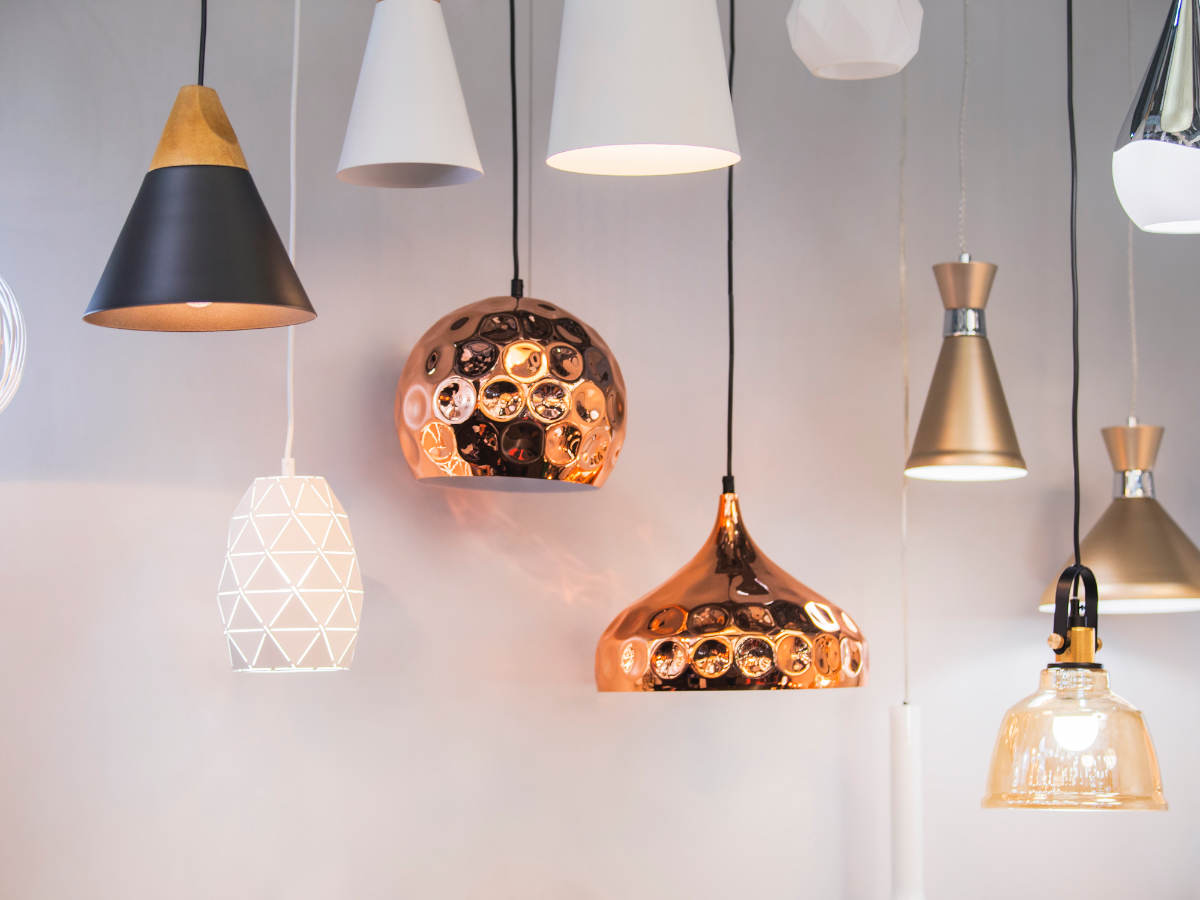
Many homes have grand chandeliers and custom-made furniture. These items are often imported from Europe. They showcase the homeowner’s wealth and status. Art pieces from renowned artists adorn the walls. This trend highlights a taste for fine art and culture.
Luxury is not just in materials. It’s also in the attention to detail. Intricate patterns and designs are common. Traditional motifs are often incorporated, paying homage to Kuwaiti heritage. This blend of old and new creates a unique and sophisticated look.
Overall, Kuwait’s oil wealth has transformed its interior design. It has brought modernization and luxury to the forefront. Yet, it still respects and celebrates traditional aesthetics.
Credit: www.etsy.com
Fusion Of Old And New
Kuwaiti interior design is a unique blend of oil wealth and traditional aesthetics. This fusion of old and new creates stunning spaces that reflect Kuwait’s rich history and modern affluence. The integration of contemporary elements with traditional designs results in a harmonious and visually appealing environment.
Blending Modern With Traditional
Modern Kuwaiti interiors often feature sleek lines and minimalist décor. These elements are paired with traditional patterns and rich textures. The result is a perfect balance between the old and the new.
Neutral color palettes dominate modern interiors, while traditional Kuwaiti designs use vibrant colors. Combining these elements creates a unique and cohesive look.
Traditional Kuwaiti art and calligraphy are incorporated into contemporary spaces. These elements add a touch of cultural heritage to modern designs.
Iconic Examples
Several iconic examples highlight the fusion of old and new in Kuwaiti interior design.
| Example | Description |
|---|---|
| The Avenues Mall | A modern shopping mall featuring traditional Kuwaiti architecture. |
| Kuwait National Museum | A blend of contemporary design with traditional Kuwaiti elements. |
| Al Hamra Tower | Modern skyscraper with traditional Kuwaiti motifs. |
The Avenues Mall is a prime example of modern and traditional fusion. It offers a contemporary shopping experience with traditional architectural elements.
The Kuwait National Museum showcases contemporary design. It integrates traditional Kuwaiti elements, creating a space that honors the past while embracing the future.
Al Hamra Tower is another iconic example. This modern skyscraper features traditional Kuwaiti motifs, blending the old with the new seamlessly.
These examples demonstrate how Kuwaiti interior design successfully merges modern and traditional elements. The result is a unique and culturally rich environment.
Cultural Significance
The fusion of oil wealth and traditional aesthetics in Kuwaiti interior design holds immense cultural significance. This blend reflects the nation’s rich history and prosperous present. Kuwaiti homes are not just spaces to live but symbols of heritage and status.
Symbolism In Design
In Kuwaiti interior design, symbolism plays a crucial role. Every element, from furniture to colors, has meaning. Traditional patterns and motifs often symbolize prosperity and protection. Intricate geometric designs represent the region’s Islamic heritage.
Materials used in interiors also hold significance. Gold and silver accents symbolize wealth and success. Wooden elements, like carved doors, reflect craftsmanship passed down through generations. Homes often include items that reflect the family’s history and achievements.
Family And Social Spaces
Kuwaiti homes are designed with family and social interactions in mind. Large living rooms and majlis (sitting rooms) are central to this design. These spaces foster community and hospitality.
Traditionally, the majlis is where guests are welcomed and entertained. These areas are often adorned with lush carpets, cushions, and intricate decor. The design emphasizes comfort and elegance, making guests feel honored.
Dining areas are another focal point. They are designed to accommodate large family gatherings and celebrations. Tables are often large and round, promoting equality and unity during meals.
Sustainability Concerns
Kuwaiti interior design often blends oil wealth with traditional aesthetics. But, sustainability concerns are now taking center stage. As resources deplete, the focus shifts to eco-friendly and energy-efficient solutions.
Eco-friendly Materials
Using eco-friendly materials is crucial in modern Kuwaiti design. Recycled wood and bamboo are gaining popularity. These materials reduce environmental impact. Designers also prefer natural stone and clay. These elements bring a touch of tradition and sustainability.
Organic fabrics like cotton and linen are in demand. These fabrics are not only sustainable but also aesthetically pleasing. Low-VOC paints are another popular choice. They reduce indoor air pollution and are safer for families.
Energy Efficiency
Energy efficiency is vital in Kuwaiti homes. Smart lighting systems help conserve energy. These systems use LED bulbs which last longer. They also consume less power compared to traditional bulbs.
Solar panels are now common in new constructions. They harness Kuwait’s abundant sunshine. This reduces reliance on non-renewable energy sources. Insulated windows are also a key feature. They keep homes cooler in the hot climate, reducing air conditioning use.
Implementing energy-efficient appliances is another step towards sustainability. Refrigerators, ovens, and washing machines with energy star ratings are preferred. These appliances consume less electricity, saving money and resources.
Influence Of Global Trends
Kuwaiti interior design beautifully blends oil wealth with traditional aesthetics. The design is influenced by global trends. These trends bring a fresh perspective to Kuwaiti homes. Let’s explore the major global influences.
Western Aesthetics
Western aesthetics have a strong impact on Kuwaiti design. Modern furniture and minimalistic décor are popular choices. These elements create a sleek and sophisticated look. Many Kuwaiti homes feature open floor plans. This layout maximizes space and light.
Western-style kitchens with high-end appliances are common. These kitchens often have marble countertops and sleek cabinetry. Living rooms may include leather sofas and glass coffee tables. Art pieces from famous Western artists adorn the walls.
| Western Elements | Features |
|---|---|
| Furniture | Modern, minimalistic, often leather |
| Kitchens | High-end appliances, marble countertops |
| Art | Famous Western artists |
Middle Eastern Influences
Middle Eastern influences are deeply rooted in Kuwaiti design. Traditional elements add warmth and culture to spaces. Intricate patterns and rich colors are widely used. Arabic calligraphy is a popular decorative element.
Many homes feature rugs and textiles with detailed designs. These items add texture and character. Lanterns and mosaic lamps provide unique lighting. Carved wooden furniture showcases skilled craftsmanship.
- Intricate patterns and rich colors
- Arabic calligraphy as decoration
- Rugs and textiles with detailed designs
- Unique lighting with lanterns and mosaic lamps
- Carved wooden furniture
Credit: www.etsy.com
Future Of Kuwaiti Interior Design
The future of Kuwaiti interior design looks bright and exciting. Blending oil wealth with traditional aesthetics, it promises a unique style. This mix creates a rich tapestry of cultural and modern elements. Let’s explore the innovations and efforts to preserve heritage in Kuwaiti interior design.
Innovations
Innovation drives the future of Kuwaiti interior design. Technology plays a key role in this evolution. Smart homes are becoming more popular. They offer convenience and luxury. Automated lighting and climate control are common features now. These innovations make life easier and more comfortable.
Sustainable design is another important trend. Many designers focus on using eco-friendly materials. This approach helps reduce environmental impact. Recycled wood and natural fibers are popular choices. These materials add a unique charm to interiors.
| Innovation | Description |
|---|---|
| Smart Homes | Automated systems for lighting, climate, and security. |
| Sustainable Materials | Use of eco-friendly and recycled materials. |
Preserving Heritage
Preserving heritage is vital in Kuwaiti interior design. Traditional elements add depth and character to spaces. Designers often use Islamic patterns and motifs. These designs are intricate and beautiful. They reflect Kuwaiti culture and history.
Handcrafted items are also popular. These include pottery, rugs, and textiles. Each item tells a story and adds a personal touch to interiors. Traditional colors like gold, blue, and red are commonly used. These colors have cultural significance and enhance the aesthetic appeal.
- Islamic patterns and motifs
- Handcrafted pottery and textiles
- Traditional colors like gold, blue, and red
In conclusion, the future of Kuwaiti interior design is a blend of innovation and tradition. This mix creates unique and beautiful spaces that honor the past while embracing the future.
Conclusion
Kuwaiti interior design beautifully combines oil wealth and traditional aesthetics. This blend creates luxurious yet culturally rich spaces. The intricate patterns and opulent materials tell stories of heritage and prosperity. Embracing both modern and traditional elements, Kuwaiti homes stand out.
Experience the unique charm and elegance of Kuwaiti interior design in every detail.


