

The Russian Empire Style, also known as Russian Revival, emerged in the early 19th century. It is characterized by its ornate and elaborate architectural elements.
Russian Empire Style is a unique architectural and artistic movement that flourished during the early 19th century. This style combines elements of Byzantine, Baroque, and Neoclassical designs, creating a distinctive and opulent aesthetic. Influenced by Russia’s desire to establish a strong national identity, it features grandiose structures, intricate details, and lavish decorations.
Key examples include the Kazan Cathedral in Saint Petersburg and the Bolshoi Theatre in Moscow. This style not only reflects Russia’s rich cultural heritage but also showcases the country’s ambition and grandeur during the era of the Russian Empire. Its legacy continues to influence modern architecture and design in Russia.
Origins Of Russian Empire Style
The Russian Empire Style is a unique architectural and decorative trend. It emerged in the early 19th century. This style blends grandeur with elegance. The origins of this style lie in a rich historical context. Influences from both Western Europe and ancient civilizations played a role.
Historical Context
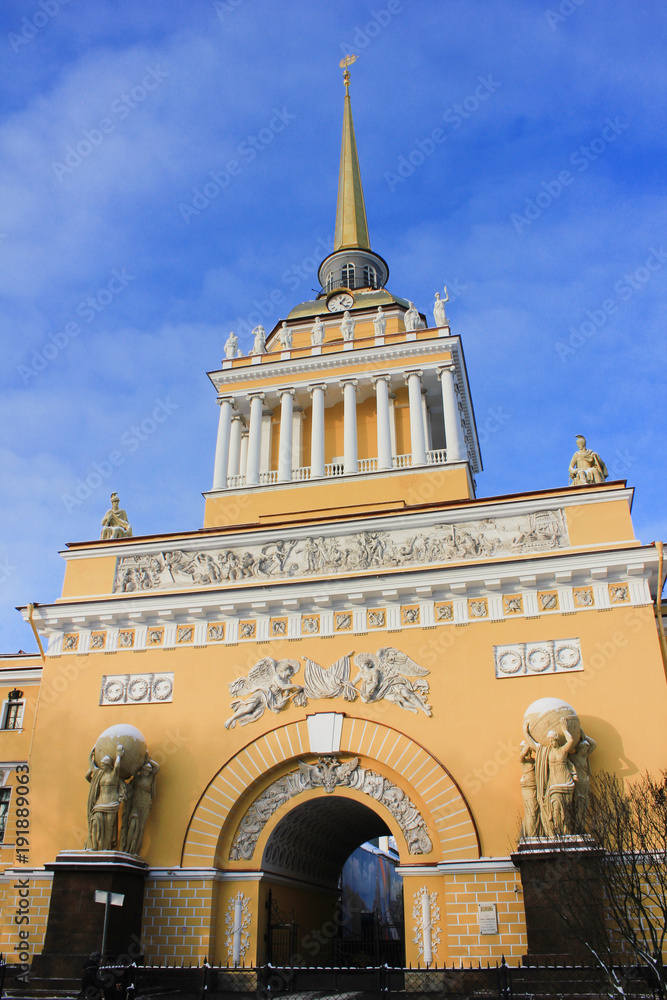
The Russian Empire Style began during the reign of Tsar Alexander I. The Napoleonic Wars influenced its development. After defeating Napoleon, Russia felt a sense of national pride. This victory inspired a desire for a unique national style. Architects and designers aimed to reflect the power and glory of the Russian Empire.
Influences And Inspirations
The Russian Empire Style drew from various sources. Classical Greek and Roman architecture was a significant influence. Designers admired the symmetry and grandeur of ancient temples. They incorporated these elements into their works. French Neoclassicism also played a role. The French Empire Style, popularized by Napoleon, inspired Russian artists. They adapted these elements to create a distinct Russian flavor.
| Influence | Details |
|---|---|
| Classical Greek and Roman | Symmetry, grandeur, and temple-like structures |
| French Neoclassicism | Elegant, refined, and inspired by Napoleon’s Empire |
In summary, the Russian Empire Style is a mix of grandeur and elegance. It reflects the power and pride of the Russian Empire. Influences from ancient civilizations and French Neoclassicism shaped its development.
Credit: stock.adobe.com
Architectural Marvels
The Russian Empire Style is known for its grand and opulent architecture. It showcases the wealth and power of the Russian Empire. Let’s explore some of the most remarkable architectural marvels of this period.
Palaces And Estates
Russian Empire Style palaces are a sight to behold. They feature grand facades and intricate interiors.
- Winter Palace: Located in St. Petersburg, it was the official residence of the Russian monarchs.
- Catherine Palace: Known for its beautiful blue and gold exterior.
- Peterhof Palace: Famous for its vast gardens and fountains.
Many of these estates also have stunning gardens. These gardens often include elaborate fountains and statues.
Iconic Structures
The Russian Empire Style also includes iconic public buildings and churches. These structures are known for their grandiosity and detailed craftsmanship.
- Kazan Cathedral: This cathedral is known for its large colonnade and impressive dome.
- St. Isaac’s Cathedral: One of the largest cathedrals in the world, known for its massive gold-plated dome.
- The Bolshoi Theatre: Famous for its neoclassical facade and grand interiors.
The Russian Empire Style left a lasting legacy on architecture. Its influence can still be seen today.
Interior Design Elements
The Russian Empire style is rich with historical elegance. It blends opulence with intricate details. This style emerged in the early 19th century. It symbolizes the grandeur of the Russian aristocracy.
Furniture And Decor
Furniture in the Russian Empire style is bold and luxurious. Pieces often feature intricate carvings and gold leaf. Key elements include:
- Massive wood tables: Made from mahogany or oak.
- Upholstered chairs: Velvet or silk fabrics.
- Decorative mirrors: Framed in gold or bronze.
Decor items often include:
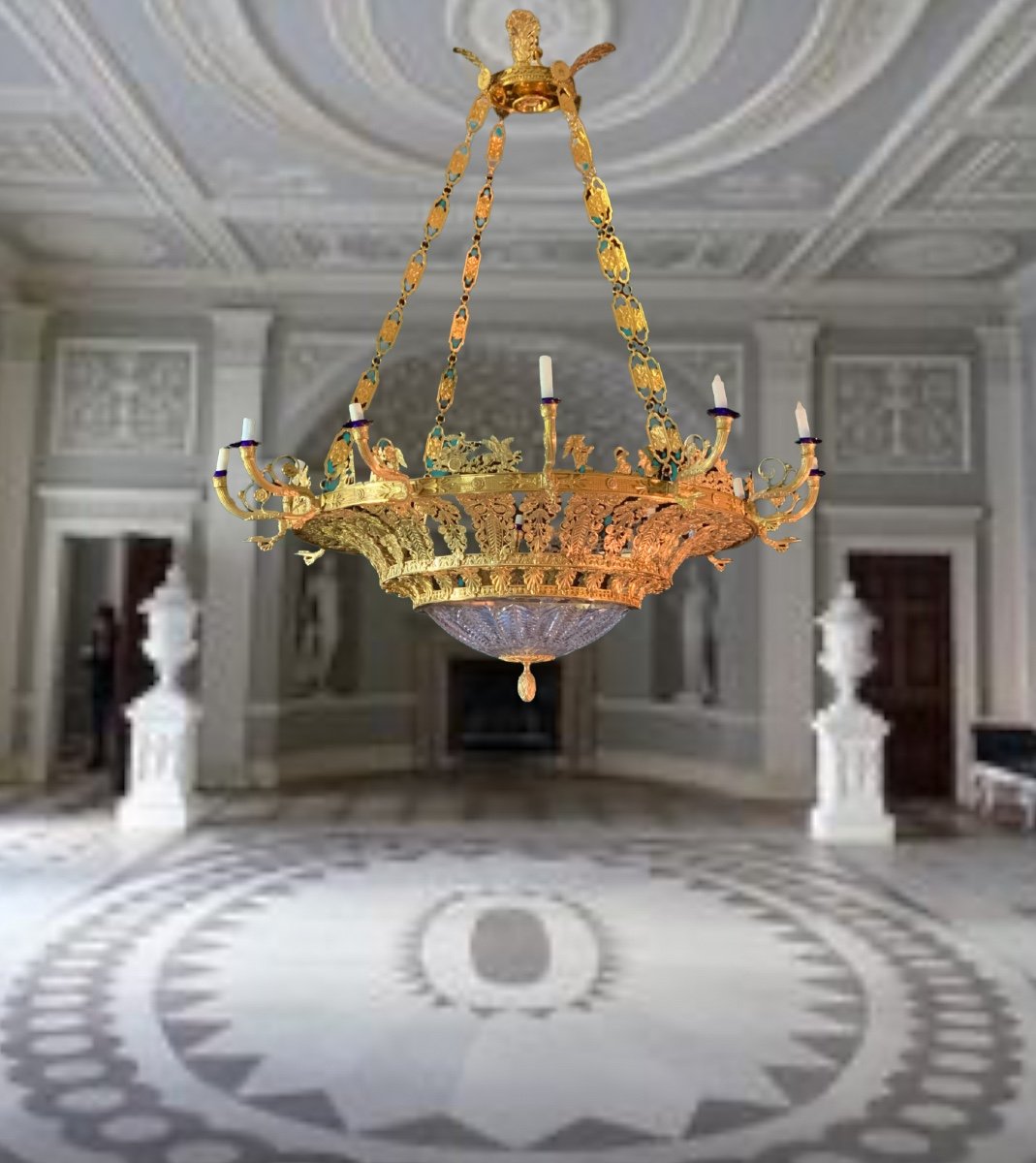
- Crystal chandeliers: Adding sparkle to the room.
- Porcelain vases: Hand-painted with floral designs.
- Wall tapestries: Depicting historical scenes.
Color Palettes And Textures
The color palettes in Russian Empire style are rich and deep. Common colors include:
- Deep reds: Symbolizing power and wealth.
- Royal blues: Adding a touch of elegance.
- Gold accents: Enhancing the luxurious feel.
Textures play a crucial role in this style. Fabrics are often:
- Velvet: Soft and plush to the touch.
- Silk: Smooth and shiny surfaces.
- Brocade: Richly patterned and heavy.
Walls are usually adorned with:
- Wallpaper: Featuring intricate patterns.
- Wood paneling: Adding warmth and depth.
- Gold leaf accents: Providing a regal touch.
Art And Ornamentation
The Russian Empire Style is known for its rich art and ornate designs. Artists and craftsmen used various techniques to create stunning visuals. These intricate details are seen in murals, frescoes, sculptures, and carvings. Each element adds a unique touch to this grand style.
Murals And Frescoes
Murals and frescoes are vital in Russian Empire art. They often depict religious scenes and historical events. Bright colors and gold leaf are frequently used. These artworks cover large walls and ceilings, creating immersive experiences.
- Religious scenes
- Historical events
- Bright colors
- Gold leaf
Sculptures And Carvings
Sculptures and carvings are key elements in Russian Empire design. They often feature intricate details and grand subjects. Materials like marble and wood are commonly used. Sculptures adorn palaces, churches, and public spaces.
- Intricate details
- Grand subjects
- Marble and wood
- Public spaces
| Element | Common Themes | Materials |
|---|---|---|
| Murals and Frescoes | Religious, Historical | Paint, Gold leaf |
| Sculptures and Carvings | Grand subjects | Marble, Wood |
Fashion And Attire
The Russian Empire’s fashion was grand and luxurious. Nobles wore rich fabrics and intricate designs. Clothing was a status symbol, reflecting wealth and power.
Royal Wardrobe
The royal wardrobe was a spectacle of luxury. Royals wore elaborate gowns and suits. They used silk, velvet, and fur. The clothes had detailed embroidery and precious stones.
| Item | Material | Details |
|---|---|---|
| Gown | Silk and Velvet | Embroidery with Gold Threads |
| Suit | Wool and Fur | Jeweled Buttons |
| Cape | Velvet and Fur | Golden Trim |
Textiles And Embroidery
Textiles in the Russian Empire were rich and varied. They used silk, velvet, and wool. These fabrics were often imported from other countries.
Embroidery was an important art form. They used gold and silver threads. Patterns included flowers, birds, and geometric shapes. This added elegance to the garments.
- Silk: Smooth and shiny, often used for gowns.
- Velvet: Soft and plush, used for capes and coats.
- Wool: Warm and durable, used for everyday wear.
Symbolism And Motifs
The Russian Empire Style is known for its rich symbolism and intricate motifs. These elements create a unique and majestic aesthetic. Symbols and motifs in this style often reflect the nation’s history and culture.
Common Symbols
Common symbols in Russian Empire Style include the double-headed eagle, crown, and laurel wreath. These symbols represent power, royalty, and victory respectively.
- Double-headed eagle: Symbol of authority and unity.
- Crown: Represents royal power and dignity.
- Laurel wreath: Signifies victory and honor.
Cultural Significance
The symbols and motifs in Russian Empire Style have deep cultural roots. They often reflect the nation’s aspirations and values. For example, the double-headed eagle symbolizes the unity of church and state. The laurel wreath signifies Russia’s military victories and achievements.
| Symbol | Meaning | Usage |
|---|---|---|
| Double-headed eagle | Authority and Unity | National Emblem |
| Crown | Royal Power | Ornaments and Architecture |
| Laurel wreath | Victory | Decorative Elements |
Modern Interpretations
The Russian Empire Style has left an indelible mark on history. Today, it continues to inspire modern designs. This section explores how contemporary designers reinterpret this classic style.
Contemporary Designs
Modern designers embrace the luxurious elements of the Russian Empire Style. They often use rich fabrics, intricate patterns, and bold colors. These elements create a sense of opulence in modern interiors.
Many homes today feature furniture with elegant curves and ornate details. These pieces often include gold accents, reminiscent of the grandeur of the Russian Empire. Designers also incorporate large mirrors and crystal chandeliers to enhance the sense of space and light.
| Element | Modern Interpretation |
|---|---|
| Rich Fabrics | Velvet, Silk, and Brocade |
| Bold Colors | Deep Reds, Golds, and Blues |
| Ornate Details | Curved Furniture and Gold Accents |
| Large Mirrors | Wall-to-Wall Mirror Panels |
| Crystal Chandeliers | Modern Crystal Lighting |
Influence On Current Trends
The Russian Empire Style influences several current design trends. One notable trend is the use of maximalism. This involves layering various textures, patterns, and colors to create a rich, vibrant space.
Another trend is the resurgence of neoclassical elements. These include symmetrical layouts, columns, and pilasters. Such elements add a touch of elegance and historical significance to modern interiors.
- Maximalism: Emphasis on layers and textures
- Neoclassical Elements: Symmetry, columns, and pilasters
- Bold Patterns: Geometric and floral designs
- Luxurious Materials: Marble, velvet, and gold leaf
These trends highlight the enduring appeal of the Russian Empire Style. They show how timeless design principles can be modernized for today’s world.

Credit: mediakron.bc.edu
Preservation And Restoration
The Russian Empire Style showcases grandeur and elegance. Preserving this style is crucial for cultural heritage. Restoration efforts ensure these historical treasures remain intact for future generations.
Conservation Efforts
Conservation efforts involve meticulous planning and execution. Experts use advanced techniques to preserve architectural details. These efforts focus on maintaining the original structure and decor.
| Technique | Description |
|---|---|
| Cleaning | Removing dirt without damaging the surface. |
| Consolidation | Strengthening the deteriorated materials. |
| Reintegration | Recreating missing parts using period-appropriate materials. |
Challenges And Solutions
Preserving Russian Empire Style buildings presents unique challenges. Environmental factors and human activities contribute to degradation. Solutions involve innovative techniques and materials.
- Environmental Impact: Weathering and pollution.
- Human Activities: Vandalism and neglect.
Experts use modern technology to overcome these challenges. Laser cleaning and 3D printing are popular methods. These techniques ensure accurate and efficient restoration.
Credit: www.proantic.com
Conclusion
The Russian Empire Style remains an iconic and influential design. Its opulence and grandeur continue to inspire architects and designers. Exploring its rich history and elements can provide valuable insights. Embracing this style can bring a touch of elegance and sophistication to modern spaces.
Discover the timeless beauty of the Russian Empire Style today.


