

Lebanese interior style showcases Mediterranean elegance through vibrant colors, natural materials, and intricate patterns. It blends traditional and modern elements for a unique, timeless look.
Lebanese interior style draws inspiration from its rich cultural heritage and Mediterranean influences. The design features natural materials like stone, wood, and metal, creating a warm and inviting atmosphere. Vibrant colors, often inspired by the sea and landscape, bring life and energy to the space.
Intricate patterns and handcrafted details add depth and character. The fusion of traditional and modern elements results in a timeless and elegant aesthetic. This style embodies both luxury and comfort, making it a perfect choice for those seeking a sophisticated yet cozy home environment.
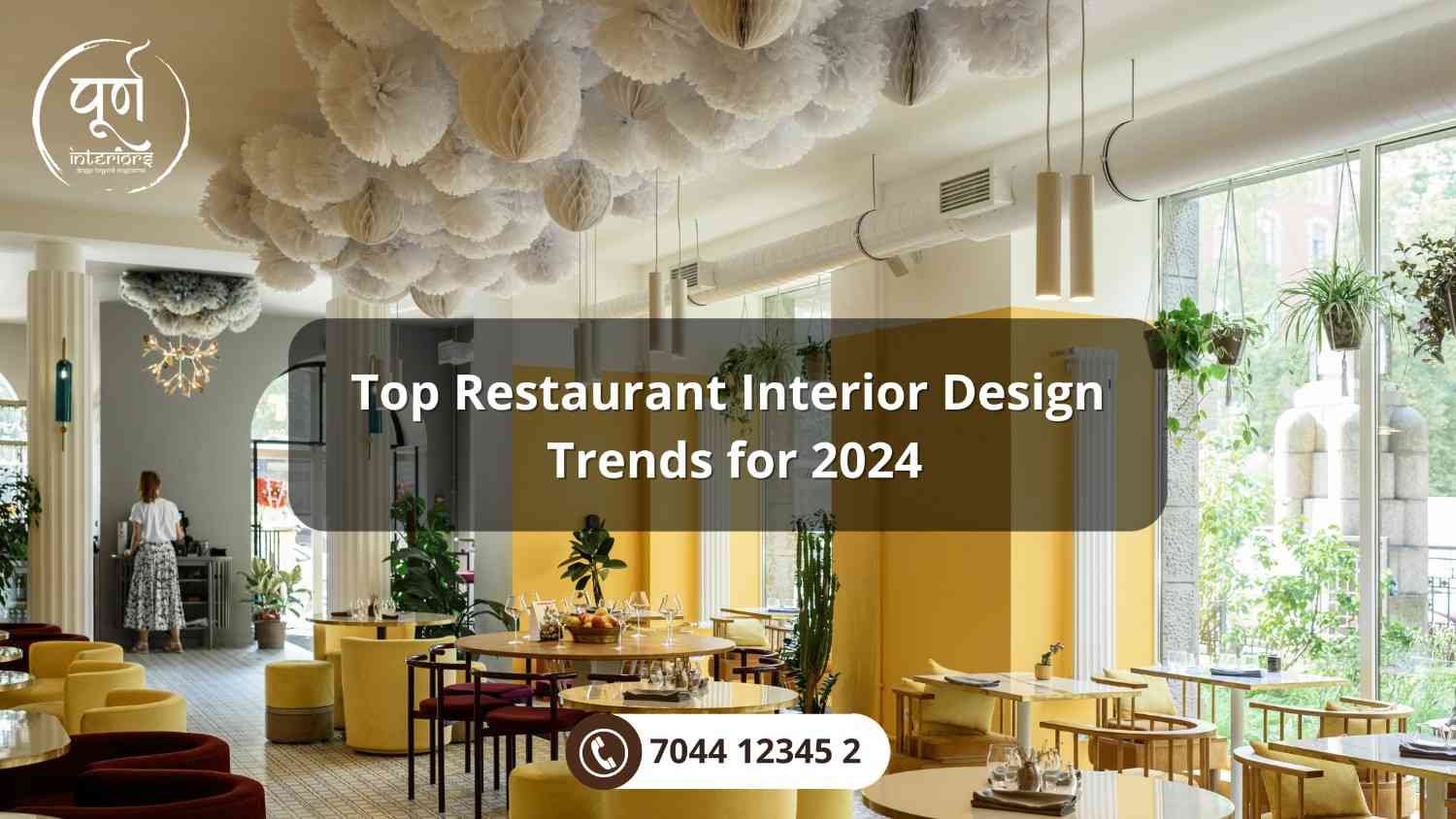
Credit: purninteriors.com
Origins Of Lebanese Interior Style
The Origins of Lebanese Interior Style are rich and diverse. This unique style blends Mediterranean elegance with cultural heritage. It reflects Lebanon’s historical and cultural journey.
Historical Influences
Lebanese interior style has deep historical influences. Ancient Phoenician architecture plays a key role. Phoenicians were known for their maritime trade. They brought back diverse influences from different regions.
Roman and Ottoman empires also influenced Lebanese design. Roman architecture introduced grand columns and arches. Ottoman rule brought intricate tile work and ornate details. These historical layers create a unique blend in Lebanese homes.
Cultural Significance
The cultural significance of Lebanese interior style is profound. It showcases the country’s rich heritage and traditions. Family and hospitality are central themes in Lebanese culture. Homes are designed to welcome guests warmly.
Traditional Lebanese homes often feature a central courtyard. This space serves as a gathering place for family and friends. Decor elements like mosaic tiles and wooden carvings reflect cultural artistry. Each piece tells a story of Lebanon’s past and present.
| Historical Influence | Impact on Design |
|---|---|
| Phoenician | Trade brought diverse influences |
| Roman | Grand columns and arches |
| Ottoman | Intricate tile work and ornate details |
- Family and hospitality are central themes.
- Homes designed to welcome guests warmly.
- Central courtyard for gatherings.
- Mosaic tiles and wooden carvings in decor.
Key Elements
Lebanese interior style is known for its Mediterranean elegance. This style combines natural materials and bold colors to create a unique ambiance. Let’s explore the key elements that define this captivating style.
Natural Materials
Lebanese interiors often feature natural materials. These materials include stone, wood, and clay. They create a warm and inviting atmosphere.
Stone: Stone walls and floors add a rustic touch. They bring a sense of history and strength.
Wood: Wooden beams and furniture are common. They add warmth and texture to the space.
Clay: Clay tiles and pottery are frequently used. They provide a handmade, artisanal feel.
Using these materials connects the indoors with nature. It creates a harmonious environment.
Bold Colors
Lebanese interior style embraces bold colors. These colors reflect the vibrant Mediterranean landscape.
Blue: Shades of blue mimic the Mediterranean Sea. They bring calm and serenity to the space.
Red: Red accents add energy and passion. They create focal points in the room.
Yellow: Yellow tones evoke the warmth of the sun. They add brightness and cheerfulness.
Green: Green hues represent the lush landscape. They bring freshness and tranquility.
Combining these bold colors creates a lively and dynamic interior. It reflects the spirit of Lebanese culture.
Architectural Features
The architectural features of Lebanese interior style blend Mediterranean elegance with timeless beauty. These features create a unique and inviting atmosphere in homes.
Arched Doorways
Arched doorways are a hallmark of Lebanese interiors. They give rooms a classic and elegant look. These doorways often feature detailed woodwork. This adds to their charm and character.
Arched doorways connect different spaces smoothly. They create a sense of flow and openness. This design element is both beautiful and functional.
Intricate Tilework
Intricate tilework is another key feature in Lebanese interiors. Tiles often showcase bold patterns and vibrant colors. These tiles can be found on floors, walls, and even ceilings.
The tiles often have geometric and floral designs. They add a touch of artistry to any space. Tilework is a great way to incorporate traditional craftsmanship into modern homes.
| Feature | Description |
|---|---|
| Arched Doorways | Classic look, detailed woodwork, connects spaces |
| Intricate Tilework | Bold patterns, vibrant colors, geometric and floral designs |

Credit: www.pinterest.com
Furniture And Decor
The Lebanese interior style blends Mediterranean elegance with unique charm. It combines traditional pieces and modern adaptations. This mix creates a warm and inviting atmosphere.
Traditional Pieces
Traditional Lebanese furniture stands out due to its craftsmanship. Hand-carved wooden pieces often feature intricate designs. These pieces usually incorporate natural materials like wood and stone.
- Low wooden tables with mosaic tops
- Handwoven rugs with vibrant patterns
- Brass lanterns and chandeliers
Textiles play a key role in traditional decor. Embroidered cushions and throws add color and texture. Rich fabrics such as silk and velvet are common.
Modern Adaptations
Modern Lebanese interiors also embrace contemporary design. Sleek lines and minimalistic furniture are popular. This style keeps the space clean and uncluttered.
Contemporary pieces often use materials like metal and glass. These elements provide a contrast to traditional wooden items.
| Traditional Material | Modern Material |
|---|---|
| Wood | Metal |
| Stone | Glass |
| Silk | Cotton |
Neutral color palettes dominate modern adaptations. Shades of white, beige, and gray are common. These colors create a serene atmosphere.
Combining traditional and modern pieces results in a balanced look. This fusion highlights the best of both worlds.
Textiles And Fabrics
The Lebanese interior style is known for its exquisite blend of Mediterranean elegance and cultural richness. One of its most defining features is the use of unique textiles and fabrics. These elements bring warmth, texture, and personality to any space. They are an essential component, reflecting the heritage and artistry of the region.
Rich Textures
Lebanese interiors often showcase a variety of rich textures that add depth and character. You will find materials such as:
- Velvet – Luxurious and soft, perfect for cushions and drapes.
- Silk – Adds a touch of elegance and sophistication.
- Cotton – Versatile and comfortable, used in many home textiles.
- Wool – Provides warmth and a cozy feel, ideal for rugs and throws.
These textures create a tactile experience, making the space feel inviting and lived-in.
Patterned Designs
Patterned designs are a hallmark of Lebanese textiles. They often feature intricate motifs and vibrant colors. Common patterns include:
- Geometric – Symmetrical shapes and lines, often inspired by Islamic art.
- Floral – Delicate flowers and vines, bringing nature indoors.
- Stripes – Simple yet effective, adding a modern touch.
- Embroidered – Hand-stitched designs that showcase craftsmanship.
These patterns tell stories and add a personal touch to the decor. They reflect the rich history and diverse influences of Lebanon.
| Material | Use |
|---|---|
| Velvet | Cushions, Drapes |
| Silk | Decorative Items, Drapes |
| Cotton | Everyday Textiles |
| Wool | Rugs, Throws |
Incorporating these textiles and fabrics into your home can transform it. They bring a sense of Mediterranean elegance that is both timeless and modern.
Lighting Choices
The lighting choices in Lebanese interior design play a crucial role. They create a warm and inviting atmosphere. The right lighting can transform a room, highlighting its best features. In this section, we explore two key aspects: ambient lighting and statement fixtures.
Ambient Lighting
Ambient lighting provides overall illumination for a space. It sets the mood and ensures a comfortable level of brightness. Common sources include:
- Ceiling fixtures: These are central to the room and offer consistent light.
- Wall sconces: Mounted on walls, they add a soft glow.
- Floor lamps: Perfect for corners, they enhance the room’s ambiance.
A mix of these sources ensures balanced lighting. Using dimmers can adjust the light intensity, enhancing the ambiance. Warm light bulbs are preferred to evoke a cozy and inviting feel.
Statement Fixtures
Statement fixtures are the showstoppers in Lebanese interior design. They add character and elegance to any room. Popular choices include:
| Type | Description |
|---|---|
| Chandeliers | Often grand and ornate, they hang in living rooms or dining areas. |
| Pendant lights | These fixtures are versatile, ideal for kitchens and hallways. |
| Artistic lamps | Unique designs that serve as both light sources and art pieces. |
Choosing the right statement fixture depends on the room’s size and style. A large chandelier in a small room can overwhelm. On the other hand, a tiny pendant light might get lost in a spacious area. Balance is key to achieving Mediterranean elegance.
Outdoor Spaces
The Lebanese interior style is a blend of Mediterranean elegance and contemporary charm. It is especially evident in their outdoor spaces. These spaces are more than just extensions of the home. They are sanctuaries of peace and beauty.
Courtyards
Lebanese courtyards are a true reflection of Mediterranean elegance. They often feature lush greenery and colorful flowers. Many courtyards have intricate tile work. These tiles can be in beautiful geometric patterns.
A common feature is a central fountain. The sound of trickling water adds tranquility. Seating areas are usually shaded by pergolas or large umbrellas. These provide comfort during hot summer days.
Courtyards are perfect for family gatherings and relaxation. They often have a mix of traditional and modern furniture. This creates a cozy yet stylish environment.
Balconies
Balconies in Lebanese homes are designed for both beauty and function. They often have wrought iron railings with intricate designs. These railings add an element of elegance.
Balconies are usually adorned with potted plants. These plants bring nature closer to the living space. Comfortable seating is a must. Many balconies have cushioned chairs or benches.
Lighting plays a crucial role. Soft, warm lights create a welcoming atmosphere. Many balconies also feature small tables. These tables are perfect for morning coffee or evening drinks.
Balconies offer a private retreat. They provide a space to enjoy fresh air and beautiful views.

Credit: in.pinterest.com
Incorporating Mediterranean Elegance
The Lebanese interior style is a beautiful blend of Mediterranean elegance. It combines traditional and modern elements to create a charming and cozy atmosphere. This style is characterized by its earthy tones, natural materials, and intricate patterns. Let’s explore how to incorporate this Mediterranean elegance into your home.
Blending Styles
Lebanese interiors blend various styles seamlessly. They use rustic elements with modern touches. For example, pair a vintage wooden table with sleek, modern chairs. This creates a balanced look that is both cozy and sophisticated.
Use a mix of textures to add depth. Combine soft fabrics with rough materials like stone or wood. This contrast adds visual interest and makes the space feel inviting.
Practical Tips
Here are some practical tips to achieve Mediterranean elegance in your home:
- Color Scheme: Use earthy tones like beige, terracotta, and olive green. These colors create a warm and inviting atmosphere.
- Natural Materials: Incorporate wood, stone, and clay. These materials add an authentic Mediterranean feel.
- Patterns: Use intricate patterns on rugs, cushions, and tiles. This adds a touch of elegance and personality to your space.
- Lighting: Use soft, warm lighting to create a cozy ambiance. Avoid harsh, bright lights.
- Plants: Add greenery with potted plants and hanging vines. This brings a touch of nature indoors.
A well-balanced Lebanese interior combines traditional and modern elements. Follow these tips to create a space that is both elegant and cozy.
Conclusion
Embracing Lebanese interior style brings Mediterranean elegance into your home. Its warm colors and intricate patterns create a cozy atmosphere. Natural materials and artistic details enhance any space. Incorporate these elements to enjoy a unique, stylish, and inviting home environment.
Transform your living space with the timeless charm of Lebanese design.


