

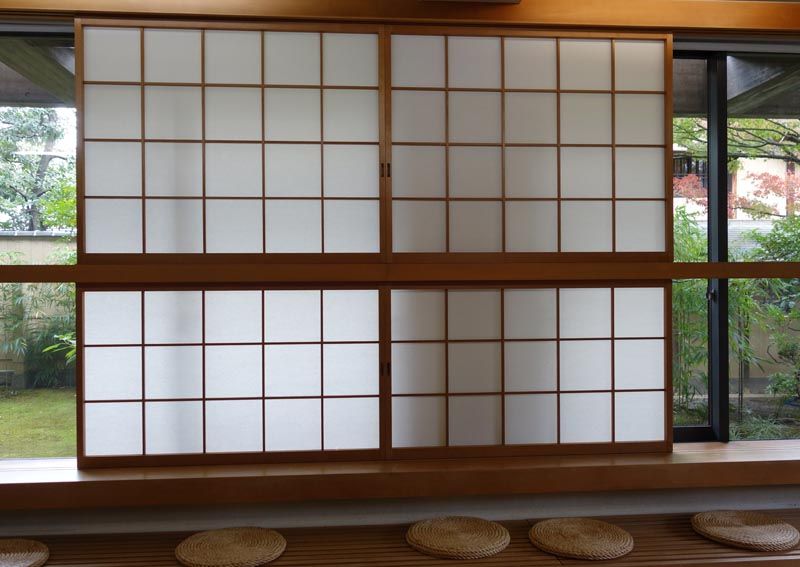
Shoji screens are traditional Japanese room dividers made from wood and paper. They provide privacy while allowing light to filter through.
Shoji screens have a rich history and add a touch of elegance to any space. Originating from Japan, these screens are crafted using lightweight wooden frames and translucent paper, typically rice paper. They serve as room dividers, doors, or window coverings, creating a serene and minimalist ambiance.
Shoji screens are not just functional; they also enhance the aesthetic appeal of interiors. Their simple yet sophisticated design blends seamlessly with various decor styles, making them a popular choice for both modern and traditional homes. Incorporating Shoji screens can transform your living space into a tranquil, stylish retreat.
Credit: traditionalkyoto.com
Introduction To Shoji Screens
Shoji screens are traditional Japanese room dividers. They are known for their simplicity and elegance. These screens are often made with a wooden frame and paper panels.
Origins And History
Shoji screens originated in Japan during the Heian period. This era dates back to the 8th to 12th centuries. They were initially used in homes of the Japanese aristocracy. Over time, they became popular among common people too. The design of Shoji screens has evolved over the centuries. Yet, they still maintain their traditional charm.
Cultural Significance
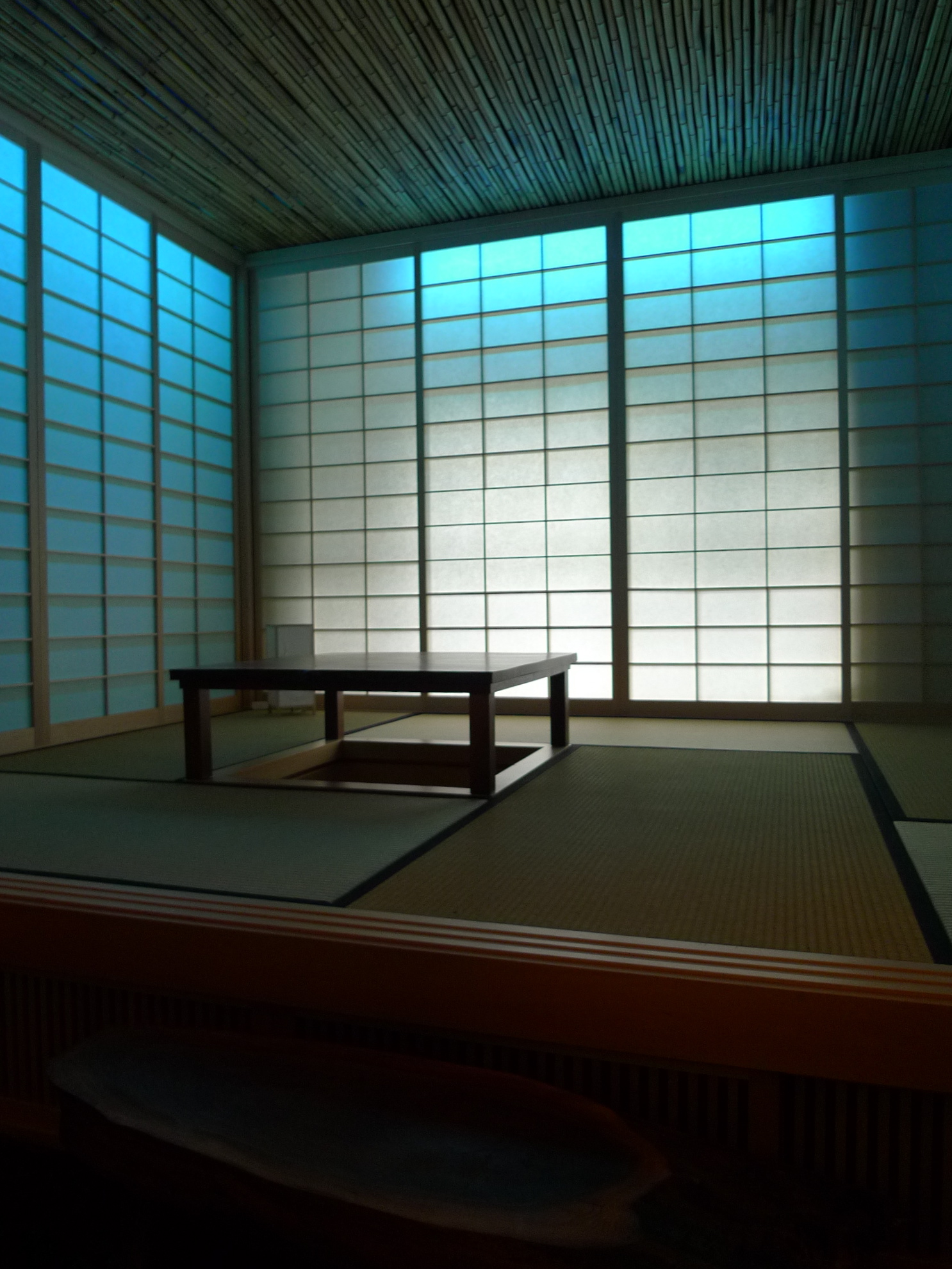
Shoji screens hold great cultural value in Japan. They are a symbol of Japanese minimalism and aesthetics. These screens are often used in traditional tea ceremonies. They create a serene and peaceful environment. Shoji screens are also used in Zen gardens and meditation rooms. They help create a sense of harmony and balance.
Shoji screens are more than just room dividers. They reflect the Japanese way of life. They emphasize simplicity, functionality, and beauty. This makes them a timeless addition to any home.
| Feature | Description |
|---|---|
| Material | Wood and Paper |
| Origin | Japan |
| Uses | Room dividers, Decoration |
In modern homes, Shoji screens are used for various purposes. They can be used as room dividers or to create privacy. They are also popular as decorative elements. Their minimalist design adds a touch of elegance to any space.
Shoji screens are not just a piece of furniture. They are a piece of art. They bring a piece of Japanese culture into your home.
Design And Materials
Shoji screens are iconic in Japanese interior design. They blend tradition and modernity. The materials used define their elegance and functionality. Let’s dive into the traditional and modern aspects of Shoji screens.
Traditional Materials
Traditional Shoji screens use specific materials. The frame is usually made of lightweight wood. Common choices include cedar, cypress, and pine.
The panels are crafted from washi paper. This paper is known for its durability and translucence. Washi paper allows soft light to pass through. It creates a serene atmosphere.
| Material | Characteristics |
|---|---|
| Cedar | Lightweight, durable, aromatic |
| Cypress | Resistant to moisture, strong, fine grain |
| Pine | Affordable, easy to work with, versatile |
| Washi Paper | Translucent, durable, traditional |
Modern Innovations
Modern Shoji screens incorporate new materials and designs. Aluminum frames are now popular. They offer strength and durability.
Plastic and acrylic panels are used as alternatives to washi paper. These materials are easy to clean and long-lasting. They also come in various colors and patterns.
- Aluminum frames: Strong and durable
- Plastic panels: Easy to clean
- Acrylic panels: Available in many colors
Some modern Shoji screens have sliding mechanisms. This makes them more functional. They can be used as room dividers or closet doors. Innovations keep the essence of Shoji screens alive.
Types Of Shoji Screens
Shoji screens are beautiful and functional. They come in various types. Each type has unique features. Here, we explore two main types: Fixed Panels and Sliding Doors.
Fixed Panels
Fixed panels are stationary and immovable. They provide privacy and divide spaces. These panels are often used in living rooms or bedrooms. Fixed panels add a touch of elegance to any room.
- Privacy: Offers complete privacy.
- Decoration: Enhances room aesthetics.
| Feature | Benefit |
|---|---|
| Sturdy | Durable and long-lasting |
| Traditional Design | Authentic Japanese look |
Sliding Doors
Sliding doors are versatile and space-saving. They slide along tracks to open and close. These doors are ideal for small spaces. They allow easy access while maintaining privacy.
- Space-saving: Perfect for small rooms.
- Accessibility: Easy to open and close.
- Tracks: Smooth sliding mechanism.
- Panels: Lightweight and easy to move.
| Feature | Benefit |
|---|---|
| Flexible | Can be moved easily |
| Modern Design | Fits contemporary homes |
Benefits Of Shoji Screens
Shoji screens, traditional Japanese room dividers, offer numerous benefits. They provide aesthetic appeal and enhanced privacy, making them a popular choice for modern homes. Let’s explore the benefits of Shoji screens in detail.
Aesthetic Appeal
Shoji screens bring a unique, elegant look to any space. Their simple design, featuring wooden frames and translucent paper, creates a serene atmosphere. The screens can be used as room dividers, doors, or window coverings. This versatility allows them to fit in various interior styles.
They also create a soft, diffused light, enhancing the room’s ambiance. The geometric patterns on the screens add an artistic touch. This makes them a decorative element as well as a functional one.
Enhanced Privacy
Shoji screens provide excellent privacy without blocking natural light. The translucent paper allows light to filter through while obscuring the view. This makes them ideal for creating private spaces in open-plan homes.
They are lightweight and easy to move, allowing for flexible space management. You can easily adjust the layout of your room by repositioning the screens.
Here is a table summarizing the key benefits:
| Benefit | Description |
|---|---|
| Aesthetic Appeal | Elegant look, soft light, artistic patterns |
| Enhanced Privacy | Blocks view, allows light, flexible space management |
In summary, Shoji screens offer a blend of beauty and functionality, making them an excellent addition to any home.
Installation Tips
Installing Shoji screens can transform your space into a serene sanctuary. These beautiful screens can enhance any room with a touch of elegance. Follow these installation tips for the best results.
Choosing The Right Spot
Selecting the ideal location for your Shoji screen is crucial. Consider areas where you need privacy or a decorative touch. Common spots include:
- Living rooms
- Bedrooms
- Home offices
- Dining areas
Ensure the spot has sufficient light. Shoji screens look best with natural light filtering through them. Avoid placing them in high-traffic areas where they might get damaged.
Diy Vs. Professional Installation
Deciding whether to install the screen yourself or hire a professional depends on your skills and tools. Here are some points to consider:
| DIY Installation | Professional Installation |
|---|---|
| Cost-effective | Higher cost |
| Requires basic tools | Professionals have specialized tools |
| Can be time-consuming | Quick and efficient |
| Sense of accomplishment | Guaranteed quality |
If you choose DIY, ensure you have the necessary tools. Basic tools include a measuring tape, level, and screwdriver. Follow the instructions carefully to avoid mistakes. For professional installation, research and hire a reputable installer. This ensures the job is done right the first time.
Credit: www.miyashoji.com
Maintenance And Care
Shoji screens bring elegance and tranquility to any space. Proper maintenance and care can ensure their longevity. This guide will cover the essential cleaning techniques, repair, and replacement tips.
Cleaning Techniques
Keeping your shoji screens clean is vital for their durability. Dust can accumulate quickly, so regular cleaning is essential.
- Dusting: Use a soft cloth or a feather duster to remove dust. Gently wipe the surface to avoid damaging the delicate paper.
- Vacuuming: Attach a soft brush to your vacuum cleaner. Vacuum the screen carefully to avoid tears.
- Spot Cleaning: For stains, use a damp cloth with mild soap. Gently dab the stain without rubbing.
Always test cleaning products on a small area first.
Repair And Replacement
Sometimes, your shoji screens might need repairs. A small tear or hole can be fixed with ease.
- Patch Small Tears: Use rice paper and glue to patch small tears. Ensure the patch matches the screen’s texture.
- Replace Damaged Panels: If a panel is beyond repair, replace it. Carefully remove the damaged panel and insert a new one.
Regular inspection can help detect issues early. This proactive approach can save time and effort.
| Task | Frequency |
|---|---|
| Dusting | Weekly |
| Vacuuming | Monthly |
| Spot Cleaning | As Needed |
| Inspection | Quarterly |
Following these tips ensures your shoji screens remain beautiful and functional for years.
Incorporating Shoji Screens In Home Decor
Incorporating Shoji screens in home decor adds elegance and functionality. These traditional Japanese screens provide privacy and light diffusion. They fit seamlessly into modern interiors. Below are some ideas to inspire you.
Living Room Ideas
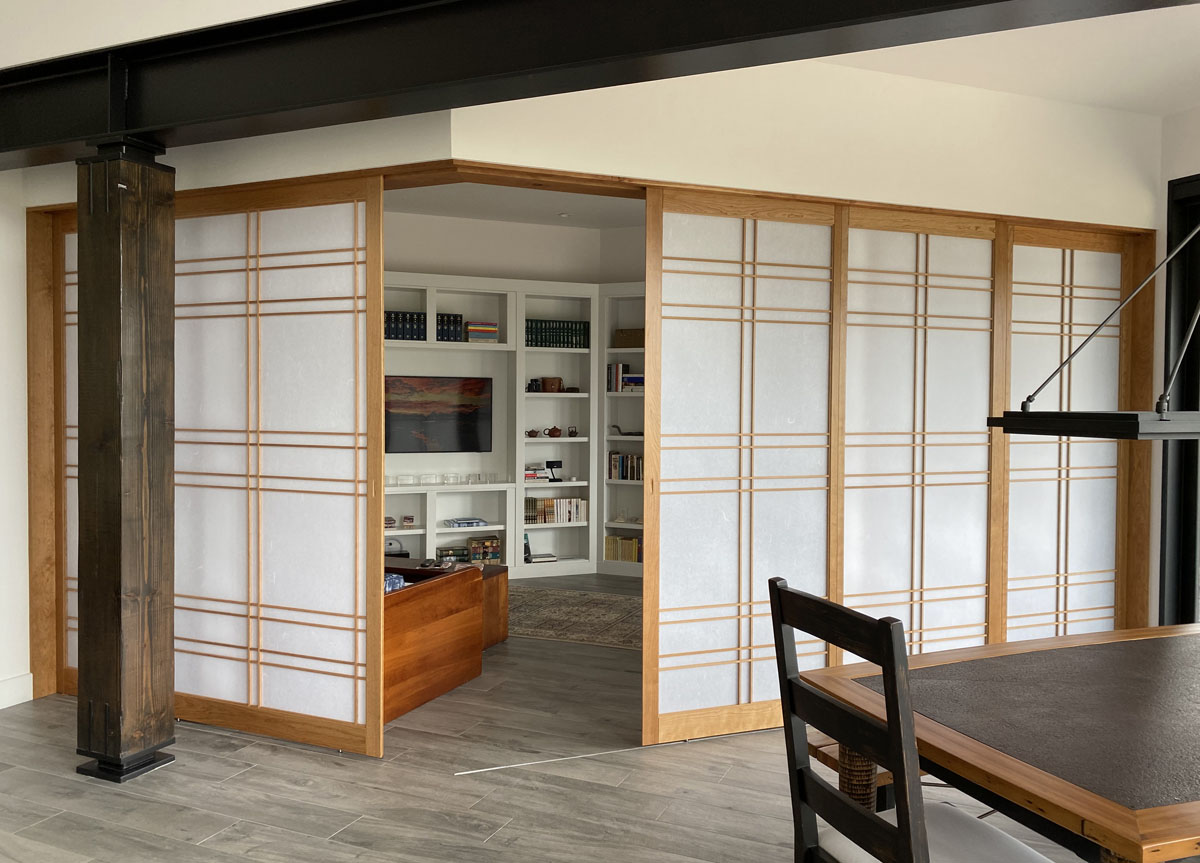
Shoji screens can transform your living room into a serene space. Use them as room dividers to create cozy nooks. They can separate the living area from the dining space.
Sliding Shoji screens can replace traditional doors. They save space and add a unique touch. Place them in front of windows to diffuse natural light.
A Shoji screen can also serve as a backdrop for your seating area. Choose screens with intricate designs to add an artistic element.
Bedroom Inspirations
In the bedroom, Shoji screens bring tranquility and privacy. They can create a separate dressing area or a private reading nook.
Freestanding Shoji screens are perfect for temporary partitions. They are easy to move and adapt to your needs.
Consider using Shoji screens as closet doors. They add a touch of elegance and hide clutter.
For a minimalist look, choose screens with simple, clean lines. They will blend seamlessly with your bedroom decor.
Credit: www.shojidesigns.com
Sustainability And Eco-friendliness
Shoji screens are not only beautiful but also sustainable and eco-friendly. These traditional Japanese room dividers use materials that are kind to our planet. They also offer long-term benefits for your home and the environment.
Eco-friendly Materials
Shoji screens are made from natural, renewable resources. The wood used is often bamboo or cedar, both of which grow quickly and are sustainable. The paper, called Washi, is made from the inner bark of trees like the Mulberry tree. This paper is strong and durable.
| Material | Source | Sustainability |
|---|---|---|
| Bamboo | Fast-growing grass | Highly renewable |
| Cedar | Sustainable forests | Long-lasting wood |
| Washi Paper | Mulberry trees | Eco-friendly and durable |
Long-term Benefits
Choosing Shoji screens offers many long-term benefits. These screens are durable and can last many years with proper care. They also help in energy conservation by allowing natural light to filter through, reducing the need for artificial lighting. This can lower your electricity bills and reduce your carbon footprint.
- Durable and long-lasting
- Natural light reduces electricity use
- Lower carbon footprint
These benefits make Shoji screens a smart choice for eco-conscious homeowners. You get a beautiful, functional addition to your home while also helping the environment.
Conclusion
Shoji screens bring elegance and functionality to any space. They offer privacy while allowing light to filter through. Perfect for modern and traditional interiors, these screens can transform rooms effortlessly. Consider incorporating Shoji screens to enhance your home’s aesthetic and create a serene atmosphere.
Their timeless appeal ensures they remain a popular choice.


