

Wabi-Sabi aesthetics embrace the beauty of imperfection and transience. They value simplicity, natural textures, and the passage of time.
Wabi-Sabi originates from Japanese culture, focusing on finding beauty in imperfection and impermanence. This aesthetic celebrates the natural cycle of growth and decay, appreciating the worn and weathered. It emphasizes simplicity, authenticity, and the charm of the incomplete. Traditional Wabi-Sabi elements include rustic textures, muted colors, and asymmetrical designs.
This philosophy encourages a deeper connection with nature and a mindful approach to living. By embracing Wabi-Sabi, one learns to appreciate the quiet, unpretentious moments in life. This approach can transform how we view our surroundings, making us more aware of the beauty in everyday imperfections.
Introduction To Wabi-sabi
Wabi-Sabi is a Japanese aesthetic that finds beauty in imperfection. It celebrates the simple, the humble, and the imperfect. This ancient philosophy teaches us to appreciate the world as it is.
Origins And Philosophy
The roots of Wabi-Sabi trace back to Zen Buddhism. It emerged during the 15th century in Japan. The term combines two words: “Wabi” and “Sabi.”
| Wabi | Sabi |
|---|---|
| Refers to simplicity and minimalism | Signifies the beauty of aging and wear |
Wabi focuses on a rustic, unrefined beauty. Sabi emphasizes the passage of time and the beauty of decay. Together, they form a unique perspective on aesthetics.
Core Principles
Wabi-Sabi is based on three core principles. These principles guide its practice and appreciation.
- Imperfection: Embrace flaws and irregularities. They add character and uniqueness.
- Impermanence: Accept that nothing lasts forever. Cherish the fleeting moments.
- Incompleteness: Value the unfinished and the incomplete. It leaves room for imagination.
These principles encourage a mindful and appreciative way of living. They teach us to find beauty in the everyday.
Credit: medium.com
Imperfection In Design
Wabi-Sabi is a Japanese aesthetic that values imperfection. It finds beauty in the imperfect, incomplete, and transient. This philosophy embraces the natural cycle of growth and decay. Imperfection in design is a core principle of Wabi-Sabi. It encourages us to appreciate the unique flaws that make each object special.
Beauty In Flaws
Wabi-Sabi teaches us to see beauty in flaws. A cracked vase or a weathered piece of wood can be beautiful. These imperfections tell a story and add character. They remind us that nothing is perfect, and that is perfectly fine.
Consider a handmade bowl with a slight asymmetry. This flaw makes it unique. It stands out from mass-produced items. Its imperfection becomes a mark of its authenticity and craftsmanship.
Natural Materials
Wabi-Sabi favors natural materials like wood, stone, and clay. These materials age gracefully. They develop a patina over time that adds to their beauty. A wooden table with scratches and dents shows its history and use.
Natural materials also connect us to nature. They bring a sense of peace and calm into our homes. A stone path in a garden, for example, feels more inviting than a concrete one. The irregular shapes and textures of natural materials create a warm and welcoming atmosphere.
Here’s a table showcasing some common natural materials in Wabi-Sabi design:
| Material | Characteristics |
|---|---|
| Wood | Warm, ages well, unique grain patterns |
| Stone | Durable, natural texture, unique shapes |
| Clay | Earthy, can be handcrafted, develops a patina |
Incorporating natural materials into your design can create a serene and harmonious space. Each piece tells its own story through its unique imperfections and natural beauty.
Wabi-sabi In Home Decor
Wabi-Sabi is the Japanese art of finding beauty in imperfection. It celebrates the natural, the aged, and the handmade. This philosophy can transform your home into a serene and authentic space. Below, we explore how to incorporate Wabi-Sabi in home decor.
Minimalist Approach
A minimalist approach is essential in Wabi-Sabi home decor. Keep only what is necessary and meaningful. This creates a sense of peace and order. Too many items can distract the eye and clutter the mind.
Focus on simple, functional furniture. Choose pieces that have history or character. A wooden table with a natural finish can be a great choice. Avoid items that look too polished or perfect.
Here is a table summarizing key elements of the minimalist approach in Wabi-Sabi decor:
| Element | Description |
|---|---|
| Furniture | Simple, functional, and with character |
| Accessories | Minimal, meaningful, and handmade |
| Space | Open, uncluttered, and peaceful |
Earthy Color Palette
The Wabi-Sabi aesthetic favors an earthy color palette. Use shades that mimic the natural world. Think of browns, greens, and muted tones. These colors create a calming and grounded atmosphere.
Paint your walls in soft, neutral colors. Add accents with natural materials like wood and stone. Use fabrics in muted, earthy shades. This will enhance the feeling of warmth and coziness.
Here are some tips for choosing an earthy color palette:
- Walls: Soft whites, light grays, and muted greens
- Furniture: Natural wood, unpolished finishes
- Textiles: Linen, cotton, and wool in earthy tones
Incorporating Wabi-Sabi in home decor can bring a sense of peace and authenticity. Embrace the beauty of imperfection and the natural world.
Textiles And Fabrics
Wabi-Sabi aesthetics celebrate the beauty found in imperfection and simplicity. Textiles and fabrics embody this philosophy beautifully. They highlight natural textures, handcrafted techniques, and organic patterns.
Handcrafted Textiles
Handcrafted textiles are central to Wabi-Sabi aesthetics. They bring warmth and personality to any space. Each piece tells a unique story through its creation process.
Artisans use traditional methods to create these textiles. Techniques include weaving, dyeing, and stitching. These methods produce one-of-a-kind pieces.
Handcrafted textiles often feature visible flaws. These imperfections add to their charm and authenticity. They remind us of the human touch behind each creation.
Below is a table highlighting some popular handcrafted textile techniques:
| Technique | Description |
|---|---|
| Weaving | Interlacing threads to form fabric. |
| Dyeing | Coloring fabrics using natural or synthetic dyes. |
| Stitching | Joining fabrics using needle and thread. |
Organic Patterns
Organic patterns play a significant role in Wabi-Sabi textiles. These patterns draw inspiration from nature. They often feature irregular shapes and asymmetry.
Common organic patterns include:
- Floral motifs
- Leaf designs
- Natural textures
These patterns add depth and interest to fabrics. They create a sense of harmony with the natural world.
Incorporating organic patterns into your home decor can create a calming atmosphere. It can also bring a touch of nature indoors.
Below is an example of a simple organic pattern design:
  .organic-pattern {
    background-image: url('leaf-pattern.png');
    background-size: cover;
  }


This textile features a beautiful leaf pattern.
Using such patterns can transform a plain fabric into a piece of art. They align perfectly with the Wabi-Sabi philosophy of beauty in imperfection.
Furniture And Objects
Wabi-Sabi aesthetics embrace the beauty of imperfection and transience. This philosophy is evident in the choice of furniture and objects. Wabi-Sabi encourages us to appreciate things that are rustic, aged, and weathered. These items bring a sense of history and authenticity to any space.
Rustic Furniture
Rustic furniture embodies the essence of Wabi-Sabi. It often features natural materials like wood, stone, and bamboo. These pieces are typically handmade, showcasing the craftsman’s skill and dedication.
- Tables with uneven edges
- Chairs with visible grain patterns
- Cabinets with rough finishes
Rustic furniture tells a story. Each scratch or dent adds character. These imperfections make the piece unique and special.
Aged And Weathered Pieces
Aged and weathered pieces are central to Wabi-Sabi interiors. These items have survived the test of time, developing a patina that adds depth and warmth.
| Item | Description |
|---|---|
| Vintage Trunks | Worn leather and metal accents |
| Antique Mirrors | Tarnished frames and cloudy glass |
| Old Ceramics | Cracks and glazing imperfections |
These pieces create a sense of nostalgia. They remind us of simpler times. Each item carries a unique history, making it irreplaceable.
Wabi-sabi In Art
Wabi-Sabi is a Japanese aesthetic that appreciates the beauty of imperfection. It finds beauty in the incomplete and the transient. In art, Wabi-Sabi brings a unique charm that emphasizes authenticity and natural processes.
Ceramics And Pottery
Ceramics and pottery embody Wabi-Sabi through their handmade nature. Each piece is unique, with its own flaws and irregularities.
- Cracks and chips add character.
- Uneven surfaces highlight the artist’s hand.
- Natural glazes show the passage of time.
Wabi-Sabi ceramics often use muted colors. These colors blend well with natural elements. The focus is on form and texture rather than perfection.
Abstract Paintings
Abstract paintings reflect Wabi-Sabi by embracing spontaneity and imperfection. Artists use bold brushstrokes and layered textures.
- Broken lines create a sense of movement.
- Asymmetry adds visual interest.
- Muted tones evoke a sense of calm.
These paintings often feature incomplete forms. This incompleteness invites viewers to find their own meaning. The beauty lies in what is left unsaid.
Wabi-Sabi in art celebrates the imperfect and the impermanent. It teaches us to find beauty in the everyday and the natural. By appreciating flaws, we connect more deeply with the art and the artist.
Gardens And Landscaping
The Wabi-Sabi aesthetic embraces the beauty of imperfection and transience. This philosophy extends beautifully into gardens and landscaping. By focusing on natural elements and asymmetrical designs, Wabi-Sabi gardens create serene, timeless spaces. These gardens celebrate nature’s raw beauty and unique quirks.
Natural Growth
Wabi-Sabi gardens highlight natural growth. Unlike manicured lawns, these gardens let plants grow freely. You might see wildflowers, moss, and even weeds. This creates a vibrant, living landscape. It respects nature’s own course, allowing plants to flourish.
Incorporating natural growth is simple. Follow these steps:
- Choose native plants.
- Minimize pruning.
- Encourage wild growth.
Native plants require less care and water. They are adapted to the local climate. This makes them more resilient and sustainable.
Asymmetrical Designs
Wabi-Sabi gardens often feature asymmetrical designs. Perfect symmetry is rare in nature. Embracing asymmetry makes your garden feel more natural and authentic.
Some ideas for asymmetrical designs:
- Irregular stone paths
- Unevenly spaced plants
- Unmatched garden ornaments
An irregular stone path adds charm. Unevenly spaced plants create a dynamic look. Unmatched garden ornaments add personality.
Asymmetry adds depth and interest. It invites viewers to explore.
The table below highlights the key differences between symmetrical and asymmetrical designs:
| Symmetrical Design | Asymmetrical Design |
|---|---|
| Balanced and even | Uneven and natural |
| Predictable layout | Surprising elements |
| Structured look | Organic feel |
Incorporating Wabi-Sabi principles in your garden transforms it into a peaceful retreat. Embrace natural growth and asymmetry. Your garden will thrive in beauty and tranquility.
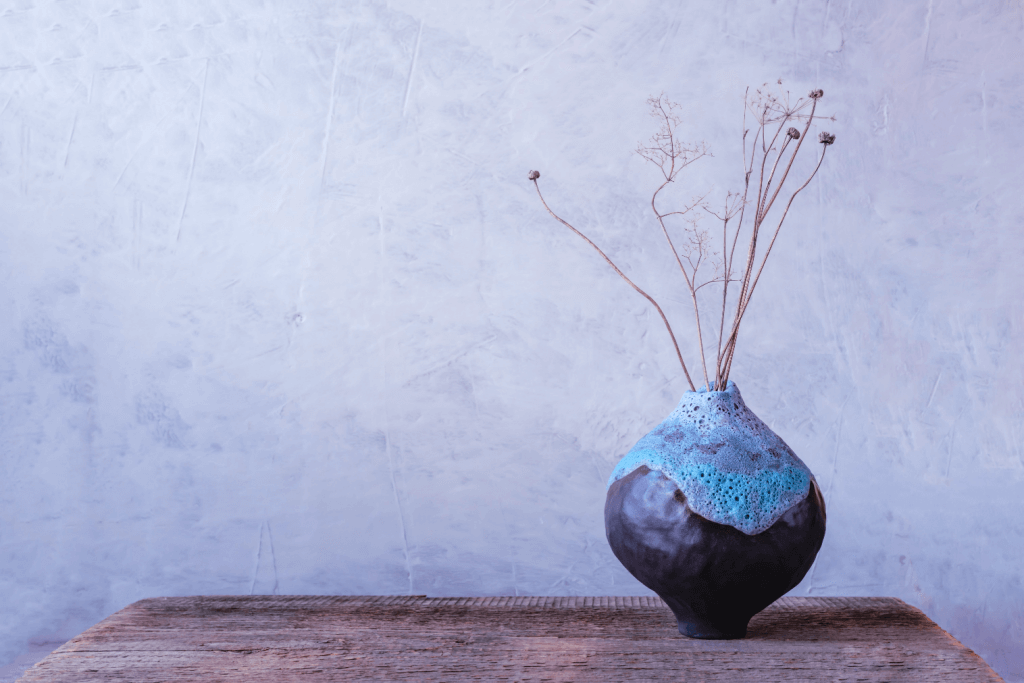
Credit: sakura.co
Incorporating Wabi-sabi
Embracing Wabi-Sabi in your home or workspace brings a sense of tranquility. This Japanese aesthetic values simplicity, imperfection, and the beauty of aging. By adopting Wabi-Sabi, you can create a serene and harmonious environment. Below are some practical tips and common mistakes to help you incorporate Wabi-Sabi effectively.
Practical Tips
- Embrace Imperfection: Use items with natural flaws. Cracks, chips, and uneven textures add character.
- Choose Natural Materials: Opt for wood, stone, and clay. These materials age beautifully and add warmth.
- Minimalism: Keep spaces uncluttered. Only display items that have meaning or function.
- Neutral Colors: Use a palette of soft, earthy tones. This creates a calm and inviting atmosphere.
- Handmade Items: Incorporate handcrafted objects. These add a personal touch and uniqueness.
| Element | Wabi-Sabi Approach |
|---|---|
| Furniture | Choose simple, rustic pieces. Avoid modern, sleek designs. |
| Decor | Use vintage and antique items. Each piece should tell a story. |
| Lighting | Opt for soft, natural light. Avoid harsh, bright lights. |
Common Mistakes
- Over-decorating: Too many items create clutter. Keep it simple.
- Ignoring Functionality: Aesthetic should not compromise usability. Balance beauty with function.
- Using Synthetic Materials: Avoid plastics and synthetic fabrics. They lack the natural aging process.
- Perfect Symmetry: Imperfection is key. Avoid striving for perfect alignment.
- Bright Colors: Stick to muted tones. Bright colors disrupt the serene vibe.
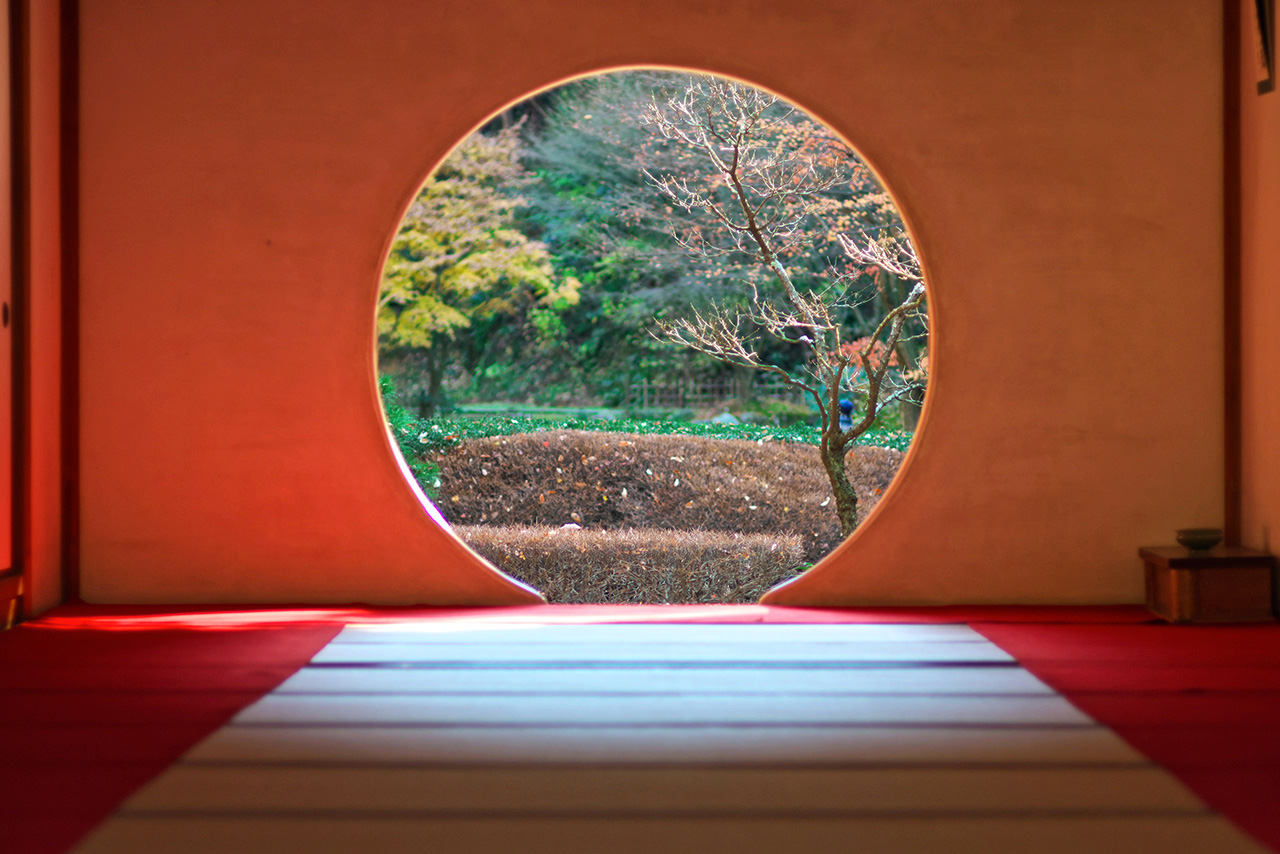
Credit: www.tofugu.com
Conclusion
Embracing Wabi-Sabi aesthetics invites simplicity and authenticity into our lives. This philosophy finds beauty in imperfection. It encourages us to appreciate the fleeting nature of life. By adopting Wabi-Sabi, we create spaces that reflect our true selves. Celebrate the imperfect and enjoy the tranquility it brings.
Let Wabi-Sabi inspire a more mindful and serene lifestyle.

