

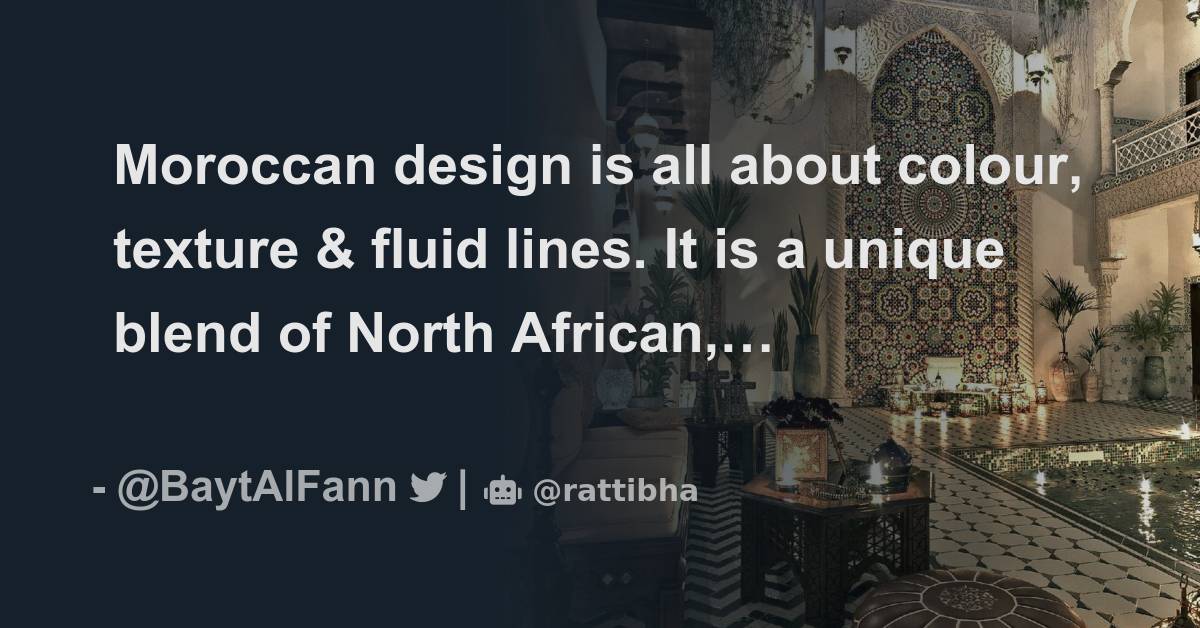
Moroccan interior design masterfully blends vibrant colors and intricate textures. It creates a warm, inviting, and exotic atmosphere.
Moroccan interior design captures the essence of North African culture. It combines rich colors, elaborate patterns, and diverse textures. Bold hues like deep reds, vibrant blues, and golden yellows dominate the color palette. Intricately designed tiles, plush textiles, and ornate lanterns enhance the aesthetic appeal.
This style emphasizes craftsmanship and attention to detail, with handwoven rugs and detailed woodwork playing pivotal roles. Arches, domes, and decorative motifs reflect Islamic influences. Moroccan design transforms any space into a luxurious, cozy retreat. Its unique blend of color and texture creates a visually stimulating and culturally rich environment.
Credit: en.rattibha.com
Introduction To Moroccan Interior Design
Moroccan interior design is a unique blend of color, texture, and culture. It brings a rich history and vibrant energy to any space. This design style transforms ordinary rooms into exotic retreats.
Historical Background
Moroccan design has a rich history dating back centuries. It draws from Arab, Berber, and European influences. Ancient trade routes brought diverse elements to Morocco. This created a melting pot of design styles. The use of bold colors and intricate patterns began in ancient times. This tradition continues in modern Moroccan interiors. Geometric patterns and handcrafted tiles are key features.
Cultural Influences
Moroccan interior design reflects the country’s diverse culture. The Berber tribes contribute natural elements and earthy tones. Arab influences add intricate mosaics and luxurious textiles. European styles bring a touch of modernity to the mix. The result is a harmonious blend of old and new.
Moroccan homes often feature vibrant colors like red, blue, and gold. These colors are symbolic and add depth to the design. Textures play a significant role, from soft rugs to carved wood. This combination creates a warm and inviting atmosphere.
| Design Element | Influence |
|---|---|
| Geometric Patterns | Arab |
| Natural Elements | Berber |
| Modern Touches | European |
- Bold Colors add vibrancy and life.
- Intricate Patterns provide visual interest.
- Textures create a cozy feel.

Credit: en.rattibha.com
Key Elements Of Moroccan Design
Moroccan interior design is a vibrant blend of colors and textures. It brings the rich culture of Morocco into your home. This design style is known for its elegance and warmth. Let’s explore the key elements that make Moroccan design unique.
Color Palette
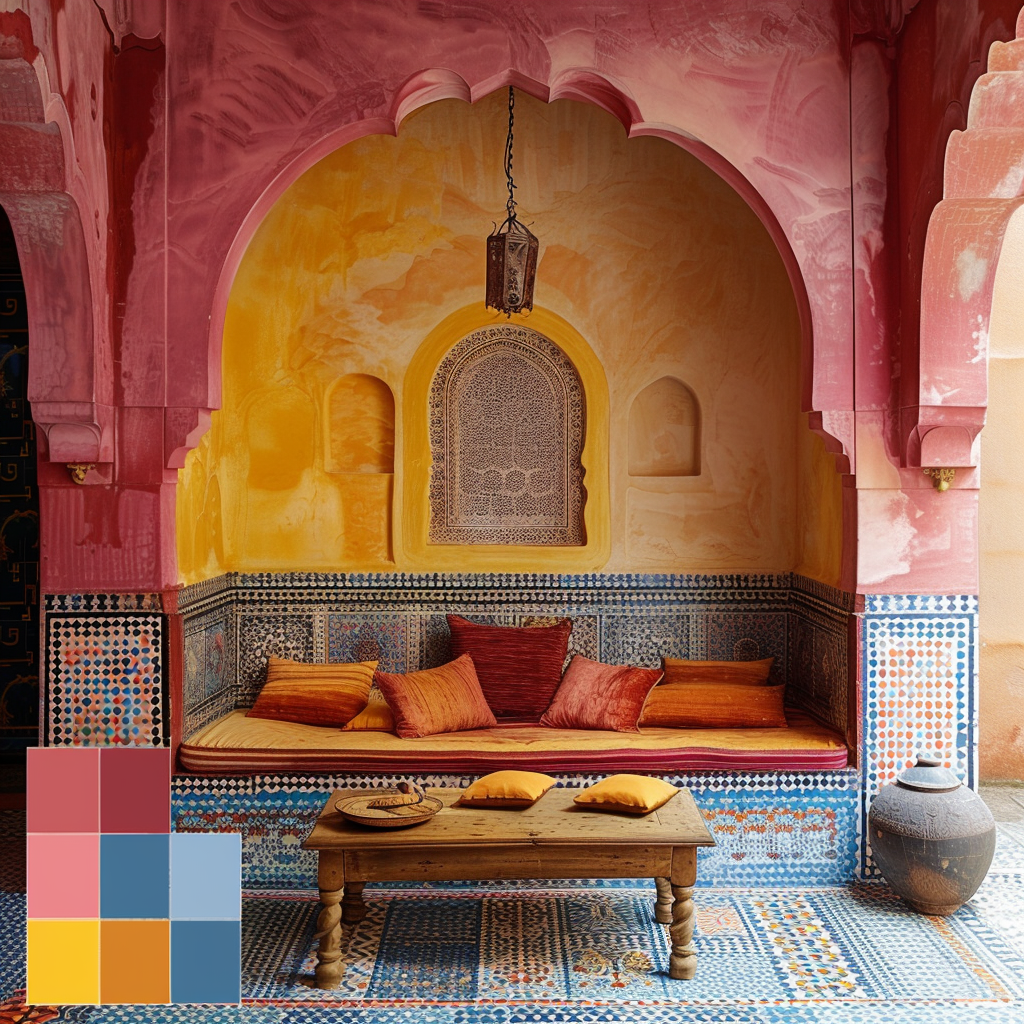
The color palette in Moroccan design is bold and vibrant. It includes rich reds, deep blues, and shimmering golds. These colors create a warm and inviting atmosphere. You can use these colors on walls, fabrics, and decor items.
| Color | Meaning |
|---|---|
| Red | Energy and Passion |
| Blue | Peace and Calm |
| Gold | Luxury and Wealth |
Using these colors in different combinations can create various moods. For a calming effect, use more blues. For a lively space, add more reds and golds. Balance is key in Moroccan design.
Textural Variety
Textural variety is another crucial element in Moroccan design. Mixing different textures adds depth and interest to the space. Common materials include wood, metal, and textiles. Each material brings its unique feel and look.
- Wood: Carved furniture and intricate designs
- Metal: Lanterns and decorative items
- Textiles: Rugs, cushions, and curtains
These materials work together to create a rich and layered look. For instance, a carved wooden table with a metal lantern on top. Or, a soft rug with patterned cushions. The combinations are endless and each brings its own charm.
Adding different textures can make your space feel more dynamic. It keeps the eyes engaged and adds a tactile element to the room. In Moroccan design, the more varied the textures, the more interesting the space.
Color Techniques
Moroccan interior design is famous for its vibrant use of color and texture. The color palette in Moroccan homes creates a warm, inviting atmosphere. Let’s explore some key color techniques that make Moroccan interiors unique.
Bold Hues
Bold hues play a crucial role in Moroccan design. These colors often include rich reds, deep blues, and vibrant yellows. They bring energy and life to any space.
- Rich Reds: Red symbolizes warmth and passion. It is often used in cushions and rugs.
- Deep Blues: Blue represents tranquility and depth. You can see it in tiles and wall art.
- Vibrant Yellows: Yellow adds brightness and cheer. It is commonly found in pottery and fabrics.
Earthy Tones
Earthy tones are another essential element in Moroccan interiors. These colors are inspired by the natural landscape. They include browns, terracotta, and soft greens.
- Browns: Brown evokes a sense of stability and comfort. It’s used in wooden furniture and flooring.
- Terracotta: Terracotta adds warmth and a rustic feel. You’ll find it in tiles and pottery.
- Soft Greens: Green brings a touch of nature indoors. It is often seen in plants and textiles.
Both bold hues and earthy tones are essential to Moroccan interior design. They create a balanced, harmonious environment.
| Color | Symbolism | Common Use |
|---|---|---|
| Red | Warmth, Passion | Cushions, Rugs |
| Blue | Tranquility, Depth | Tiles, Wall Art |
| Yellow | Brightness, Cheer | Pottery, Fabrics |
| Brown | Stability, Comfort | Wooden Furniture, Flooring |
| Terracotta | Warmth, Rustic Feel | Tiles, Pottery |
| Green | Nature, Freshness | Plants, Textiles |
Credit: edwardgeorgelondon.com
Textures And Materials
Moroccan interior design is famous for its rich textures and unique materials. These elements add depth and warmth to any space. By blending various textures, Moroccan design creates an inviting and visually captivating atmosphere.
Rugs And Fabrics
Rugs are a central piece in Moroccan interiors. They often feature bold colors and intricate patterns. Berber rugs are especially popular. These rugs are hand-woven and made from wool. They provide a soft texture underfoot and a visual statement.
Fabrics play a crucial role as well. Silk, cotton, and wool are commonly used. These fabrics adorn pillows, curtains, and upholstery. The combination of different textures adds a cozy and luxurious feel.
Tiles And Mosaics
Tiles and mosaics are iconic in Moroccan design. They are used extensively on walls, floors, and even ceilings. Moroccan tiles, often called Zellige tiles, are handcrafted and glazed. They come in a variety of colors and geometric patterns.
Mosaics often feature intricate designs made from small, colored pieces. These mosaics can create stunning visual effects. They are often used in kitchens and bathrooms to add a touch of elegance. The combination of tiles and mosaics brings both texture and color to a space.
Furniture And Decor
Moroccan interior design is a tapestry of vibrant colors and rich textures. The furniture and decor play a significant role in bringing this style to life. Each piece tells a story of cultural heritage and artistry. Below, we explore key elements of Moroccan furniture and decor.
Wooden Pieces
Wooden furniture is a cornerstone of Moroccan interior design. Intricately carved wooden pieces add elegance and warmth to any space. Common woods used include cedar, walnut, and pine. These woods are often stained or painted in bold colors.
Tables, chairs, and cabinets often feature geometric patterns and inlay work. They provide visual interest and timeless beauty. Consider incorporating a wooden coffee table with detailed carvings. It will become the focal point of your living room.
Here is a quick overview of popular wooden pieces:
| Furniture | Material | Features |
|---|---|---|
| Coffee Table | Cedar | Intricate Carvings |
| Sideboard | Walnut | Geometric Patterns |
| Chair | Pine | Painted in Bold Colors |
Metal Accents
Metal accents are another defining feature of Moroccan decor. They add a touch of sophistication and elegance. Common metals include brass, copper, and wrought iron. These materials are used in various decor elements such as lamps, trays, and mirrors.
Lamps with intricate metalwork cast beautiful shadows. They create a magical ambiance in any room. Brass trays can serve as both decorative and functional pieces. Wrought iron mirrors add a rustic charm to your space.
Consider these popular metal accents:
- Brass Lamps: Intricate designs, soft lighting
- Copper Trays: Decorative and functional
- Wrought Iron Mirrors: Rustic and elegant
Incorporating these elements will help you achieve an authentic Moroccan look. Blend wooden pieces with metal accents for a rich, textured space.
Patterns And Motifs
Moroccan interior design shines with its vibrant patterns and motifs. These designs bring life and character to spaces. They often feature intricate geometric designs and floral patterns.
Geometric Designs
Geometric designs are a staple in Moroccan interiors. They are crafted with precision and symmetry. These patterns often use bold, contrasting colors. Common shapes include diamonds, triangles, and hexagons.
Here is a table showing popular geometric patterns and their meanings:
| Pattern | Meaning |
|---|---|
| Diamond | Protection |
| Triangle | Strength |
| Hexagon | Unity |
Geometric designs are often found on tiles, rugs, and wall art. They bring structure and order to the space. They also add a sense of timelessness.
Floral Patterns
Floral patterns add a touch of nature to Moroccan interiors. These designs feature intricate and delicate flowers. They are often hand-painted or woven into fabrics. Common flowers include roses, lilies, and daisies.
Here are some elements of floral patterns:
- Vibrant colors
- Detailed petals
- Natural shapes
Floral patterns can be seen on cushions, curtains, and carpets. They create a sense of warmth and softness. They also evoke the beauty of Moroccan gardens.
Lighting And Ambiance
Moroccan interior design is known for its vibrant colors and rich textures. A key element that sets it apart is the unique lighting and ambiance. The right lighting can transform a space, creating a warm and inviting atmosphere. From intricate lanterns to the use of natural light, every detail plays a crucial role.
Lanterns
Moroccan lanterns are a staple in Moroccan interior design. These lanterns are often made from metals like brass or copper. They feature intricate patterns that cast beautiful shadows. Placing lanterns in key areas can create focal points. Use them in living rooms or hallways for a dramatic effect. Lanterns can be hung from ceilings or placed on tables. They add both light and art to any room.
Natural Light
Natural light is another essential element in Moroccan design. Large windows and open spaces allow sunlight to flood in. This not only brightens the room but also highlights the rich textures and colors. Use light, airy curtains to maximize sunlight. Reflective surfaces like mirrors can also help. They bounce light around the room, making it feel larger. Natural light brings warmth and energy to any space.
| Lighting Element | Material | Effect |
|---|---|---|
| Lanterns | Brass, Copper | Intricate Shadows |
| Natural Light | Windows, Mirrors | Bright, Airy |
- Lanterns: Use in living rooms or hallways.
- Natural Light: Utilize large windows and mirrors.
Incorporating Moroccan Design At Home
Moroccan interior design is known for its vibrant colors and rich textures. It brings a touch of exotic flair and warmth to any home. By incorporating elements of Moroccan design, you can create a space that feels both luxurious and cozy. Below are some ideas to help you bring Moroccan style into different rooms of your home.
Living Room Ideas
The living room is the heart of the home. To incorporate Moroccan design, consider using bold colors like deep reds, vibrant blues, and rich golds. These colors can be applied through accent walls, throw pillows, and rugs.
- Patterned Rugs: Use rugs with geometric patterns and vibrant colors.
- Mosaic Tables: Add a mosaic coffee table to enhance the room.
- Lantern Lighting: Install Moroccan lanterns for a warm, inviting glow.
For seating, opt for low, plush sofas and floor cushions. These add comfort and an authentic Moroccan touch. You can also use arched mirrors and decorative metalwork to complete the look.
Bedroom Inspirations
The bedroom should be a tranquil retreat. To achieve a Moroccan-inspired bedroom, start with a bold, patterned bedspread. This becomes the focal point of the room.
- Canopy Beds: Use a canopy bed draped with airy fabrics.
- Textured Walls: Consider textured wall treatments like tadelakt or stenciling.
- Layered Textiles: Layer different fabrics for added depth and warmth.
Lighting is crucial in a Moroccan bedroom. Choose intricately designed lamps and lanterns to create a soft, romantic ambiance. Incorporate a mix of floor cushions and small ottomans to add seating and comfort.
Modern Takes On Moroccan Design
Moroccan interior design is colorful and textured. It can also be modern. In this section, we explore how modern styles blend with traditional Moroccan elements.
Minimalist Fusion
Minimalist fusion combines Moroccan design with simplicity. Clean lines and neutral colors set the stage. Add Moroccan accents like geometric patterns and intricate lanterns.
Use Moroccan rugs on plain floors. Introduce handmade pottery for a touch of authenticity. Keep furniture simple. Let the Moroccan elements shine. This creates a balanced and peaceful space.
Contemporary Trends
Contemporary trends add a fresh twist to Moroccan design. Mix metallic accents with traditional fabrics. Use bold colors sparingly. This keeps the look modern and vibrant.
Combine sleek furniture with Moroccan tiles. These tiles can be used on walls or as backsplashes. Add statement lighting like ornate chandeliers. This merges the old with the new seamlessly.
Include natural materials such as wood and stone. These elements ground the space. They also highlight Moroccan craftsmanship. This approach creates a chic, updated look.
| Element | Minimalist Fusion | Contemporary Trends |
|---|---|---|
| Colors | Neutral with accents | Bold and metallic |
| Materials | Handmade pottery, rugs | Wood, stone, metal |
| Patterns | Geometric | Moroccan tiles |
- Geometric patterns add visual interest.
- Metallic accents bring a modern touch.
- Natural materials provide authenticity.
- Start with a neutral base.
- Add Moroccan accents thoughtfully.
- Mix old and new elements.
These modern takes on Moroccan design offer a fresh perspective. They blend tradition with contemporary style. The result is a unique and inviting space.
Conclusion
Moroccan interior design offers a vibrant blend of color and texture. It creates a warm, inviting atmosphere. By incorporating traditional elements, your space can feel both exotic and cozy. Experiment with bold patterns and rich fabrics to achieve an authentic look.
Embrace this style to transform your home into a captivating oasis.


