

Yemeni interior elements embrace ancient architecture, blending intricate details with functional design. This style offers a unique cultural touch to modern homes.
Yemeni architecture is rich in history and tradition. It features ornate wooden carvings, colorful stained glass windows, and distinct geometric patterns. These elements create a warm and inviting atmosphere, reflecting Yemen’s deep cultural heritage. Incorporating these design aspects into your home can provide a unique blend of tradition and modernity.
Natural materials like stone and wood enhance the authenticity of this style. Embracing Yemeni interior elements not only adds aesthetic appeal but also tells a story of ancient craftsmanship. This approach creates spaces that are both beautiful and meaningful, offering a unique cultural experience.
Introduction To Yemeni Architecture
Yemeni architecture is a blend of history and beauty. It showcases ancient designs and cultural richness. These structures tell stories of the past. They are unique and captivating.
Historical Significance
Yemeni architecture has deep historical roots. It dates back thousands of years. These buildings have survived through time. They represent the resilience and ingenuity of Yemeni people.
Many structures are made from stone and mud bricks. This method was used to withstand harsh climates. Famous sites like the old city of Sana’a show these techniques. These structures are now UNESCO World Heritage Sites.
Cultural Influence
The cultural influence on Yemeni architecture is immense. It reflects the diverse traditions of the region. Each building tells a story of its own.
Intricate patterns and designs are common in Yemeni homes. These often include geometric shapes and floral motifs. The use of stained glass windows is also popular. They add color and light to interior spaces.
| Element | Description |
|---|---|
| Stone and Mud Bricks | Used for strength and durability. |
| Geometric Patterns | Common in decorative designs. |
| Stained Glass Windows | Adds beauty and light inside. |
Yemeni architecture also incorporates social elements. Houses are designed to accommodate large families. They often include shared spaces for gatherings. This fosters a sense of community and togetherness.
- Stone and mud bricks
- Geometric patterns
- Stained glass windows
- Shared family spaces
Key Features Of Yemeni Interiors
Yemeni interiors are a blend of ancient architecture and modern living. These homes tell stories of a rich cultural heritage. The key features of these interiors are unique and captivating. They showcase the beauty of geometric patterns and natural materials.
Geometric Patterns
Geometric patterns are a hallmark of Yemeni interiors. They adorn walls, floors, and ceilings. These patterns are often intricate and detailed. They add a sense of rhythm and balance to the space.
Common geometric patterns include:
- Stars
- Hexagons
- Triangles
These patterns are not only decorative but also symbolic. They reflect the deep-rooted cultural and religious beliefs of Yemen.
Natural Materials
Natural materials are extensively used in Yemeni interiors. They bring warmth and authenticity to the space. Stone, wood, and clay are the most common materials.
Here is a table of some natural materials and their uses:
| Material | Use |
|---|---|
| Stone | Walls and floors |
| Wood | Ceilings, doors, and windows |
| Clay | Bricks and pottery |
These materials are not only sustainable but also durable. They ensure the longevity of the structures. Using natural materials also keeps the interiors cool in hot climates.
In Yemeni homes, you often find carved wooden doors and stone floors. These elements add a rustic charm to the interiors.
Traditional Building Techniques
Yemen’s ancient architecture showcases remarkable traditional building techniques. These methods have been passed down through generations. They highlight the ingenuity and resourcefulness of Yemeni builders.
Mud Brick Construction
Mud brick construction is a prominent technique in Yemen. Builders use a mixture of mud and straw to create sturdy bricks. These bricks are then dried in the sun. This method is eco-friendly and sustainable.
The mud bricks provide excellent insulation. They keep homes cool during hot days. They also retain warmth during cold nights.
| Advantages | Disadvantages |
|---|---|
| Eco-friendly | Requires regular maintenance |
| Cost-effective | Vulnerable to heavy rains |
| Good insulation | Limited lifespan |
Stone Masonry
Stone masonry is another traditional technique in Yemeni architecture. Builders use locally sourced stones to create strong structures. The stones are carefully cut and placed.
This technique offers durability and strength. Stone buildings can last for centuries. They also have a unique aesthetic appeal.
- Durable and long-lasting
- Resistant to weather conditions
- Requires skilled labor
Decorative Elements
Yemeni architecture is famous for its decorative elements. These elements add beauty and charm to homes. They also reflect the rich culture of Yemen.
Intricate Carvings
Yemeni homes feature intricate carvings on doors, windows, and ceilings. These carvings often show geometric patterns and floral designs. Wood is the most common material used for these carvings.
Master craftsmen create these carvings by hand. This makes each piece unique. The skill is passed down through generations.
Some common features of Yemeni carvings include:
- Geometric patterns
- Floral motifs
- Symbolic designs
These carvings add a touch of elegance to any space. They also tell stories of Yemeni culture and history.
Stained Glass Windows
Stained glass windows are another key feature of Yemeni homes. These windows are called “qamariya.” They are often found above doors and windows.
Qamariya windows feature colorful glass pieces. They are set in intricate patterns. When the sun shines through, they create beautiful light effects.
The colors and patterns in the glass have meanings. For example:
| Color | Meaning |
|---|---|
| Red | Passion and strength |
| Blue | Peace and tranquility |
| Green | Life and growth |
These windows are not only beautiful. They also help to cool the house by blocking harsh sunlight.
Color Palettes In Yemeni Design
Yemeni interiors are unique and captivating. They showcase a blend of earthy tones and vibrant accents. The use of color in Yemeni design reflects the country’s rich heritage and natural beauty. This guide will explore how these colors are used in traditional Yemeni homes.
Earthy Tones
The foundation of Yemeni interiors often starts with earthy tones. These colors create a warm and inviting atmosphere. Common shades include terracotta, sandstone, and olive green. They mimic the natural landscape of Yemen.
| Color | Description |
|---|---|
| Terracotta | A warm, reddish-brown color that resembles baked clay. |
| Sandstone | A soft, beige color that is calming and neutral. |
| Olive Green | A muted green that adds a natural touch. |
These colors are often used on walls, floors, and large furniture pieces. They provide a neutral backdrop for more vibrant accents.
Vibrant Accents
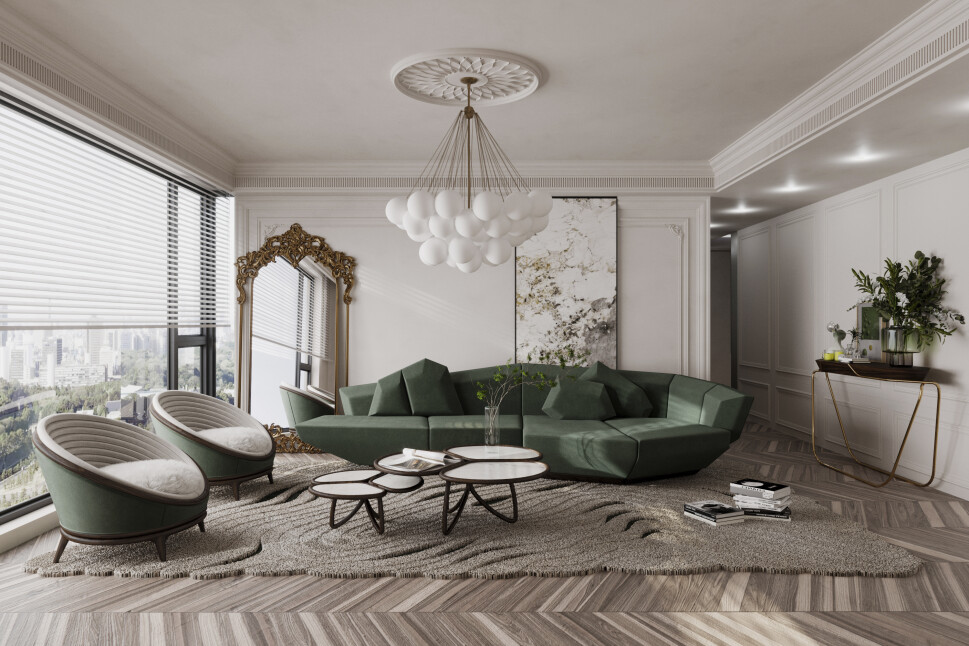
Vibrant accents bring life and energy to Yemeni interiors. These bold colors contrast beautifully with earthy tones. Common vibrant colors include blue, red, and gold. They are often used in textiles, pottery, and decorative items.
- Blue: Represents the sky and sea.
- Red: Symbolizes passion and energy.
- Gold: Adds a touch of luxury and opulence.
Vibrant colors are often found in intricate patterns and motifs. They are used in rugs, cushions, and ceramics. These accents create a dynamic and lively environment.
The balance between earthy tones and vibrant accents is key. It reflects the harmony found in traditional Yemeni architecture. This blend creates spaces that are both serene and visually stimulating.
Credit: www.almadeluce.com
Furniture And Fixtures
Yemeni interior design is a blend of history and charm. The furniture and fixtures play a significant role in this. They bring the essence of ancient architecture into homes, creating a unique and inviting atmosphere.
Handcrafted Pieces
Yemeni furniture is often handmade by skilled artisans. These pieces showcase intricate designs and detailed carvings. The wood used is usually high-quality and durable.
Tables, chairs, and cabinets often feature geometric patterns. These patterns reflect the rich cultural heritage of Yemen. The use of bold colors adds vibrancy to the space.
Functional Design
Yemeni furniture is not just beautiful but also functional. Each piece is designed to serve a specific purpose. For example, low seating arrangements are common in Yemeni homes. They provide comfort and encourage social gatherings.
Storage solutions are also thoughtfully integrated. Cabinets and chests often have multiple compartments. This helps in keeping the home organized and clutter-free.
Modern fixtures are seamlessly integrated with traditional designs. This creates a harmonious balance between old and new.
| Type | Material | Design |
|---|---|---|
| Tables | Wood | Geometric Patterns |
| Chairs | Wood | Bold Colors |
| Cabinets | Wood | Detailed Carvings |
- Handcrafted pieces reflect cultural heritage.
- Functional design ensures comfort and utility.
- Bold colors add vibrancy to the interiors.
Modern Adaptations
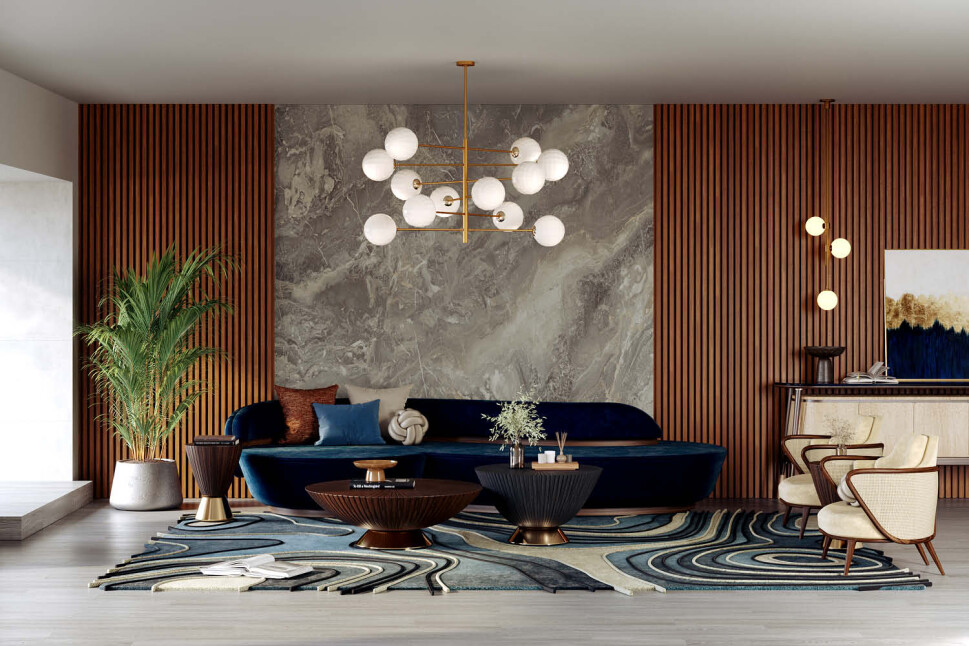
Modern Yemeni interior elements have seamlessly integrated into contemporary homes. This blend of ancient architecture with modern designs creates unique living spaces. By combining traditional Yemeni elements with modern aesthetics, you can achieve a harmonious and captivating home environment.
Fusion With Contemporary Styles
Ancient Yemeni elements offer a unique charm. Modern homes fuse these elements with contemporary styles. This fusion brings out the best of both worlds.
Traditional materials like wood and stone are used. These materials give a natural and rustic feel. Modern furniture and minimalist designs complement these materials. This creates a balanced and inviting space.
Color palettes play a vital role. Traditional Yemeni colors include earthy tones and vibrant accents. Combining these with neutral shades adds a modern touch. This blend creates a cohesive look.
Decorative elements like intricate carvings and geometric patterns are also used. These traditional designs add depth and character. When paired with modern simplicity, they stand out beautifully.
Sustainability Practices
Incorporating Yemeni elements into your home can be sustainable. Traditional Yemeni architecture emphasizes eco-friendly practices. These practices can be adapted to modern homes.
Recycled materials are a key aspect. Using reclaimed wood and stone reduces waste. These materials also add a vintage charm to modern spaces.
Natural ventilation is another important element. Ancient Yemeni homes utilize wind towers and ventilation shafts. These features can be adapted for modern energy-efficient homes.
Water conservation techniques from Yemeni architecture can also be applied. Traditional rainwater harvesting methods can be incorporated. This helps in reducing water consumption in modern homes.
Energy-efficient lighting is another sustainable practice. Using LED lights and solar panels reduces energy usage. Combining these with traditional lanterns creates a warm and inviting atmosphere.
| Yemeni Element | Modern Adaptation |
|---|---|
| Intricate Carvings | Feature Walls |
| Geometric Patterns | Modern Rugs |
| Traditional Colors | Accent Pieces |
| Natural Materials | Furniture and Decor |
Incorporating these elements into your home can create a unique and sustainable living space. By blending traditional Yemeni architecture with modern designs, you can achieve a harmonious and captivating home environment.
Incorporating Yemeni Elements In Modern Homes
Yemeni architecture boasts intricate designs and rich cultural history. By blending these elements into modern homes, you can create a unique and inviting atmosphere. Let’s explore some design tips and case studies to help you incorporate Yemeni elements into your living spaces.
Design Tips
- Use traditional Yemeni patterns: Incorporate geometric and floral patterns in textiles and wallpapers.
- Color palette: Opt for earthy tones like terracotta, sand, and deep blues.
- Decorative elements: Include carved wooden panels and ornate metalwork.
- Furniture: Choose low seating arrangements and cushions with intricate embroidery.
- Lighting: Utilize lanterns and lamps made from stained glass for a warm glow.
Case Studies
| Case Study | Description | Key Features |
|---|---|---|
| Modern Yemeni Living Room | A living room inspired by Yemeni motifs and designs. |
|
| Yemeni-Style Courtyard | A courtyard featuring traditional Yemeni elements. |
|
These tips and examples show how to blend Yemeni elements into modern homes. The result is a space that feels both timeless and contemporary.
Preservation Of Yemeni Architecture
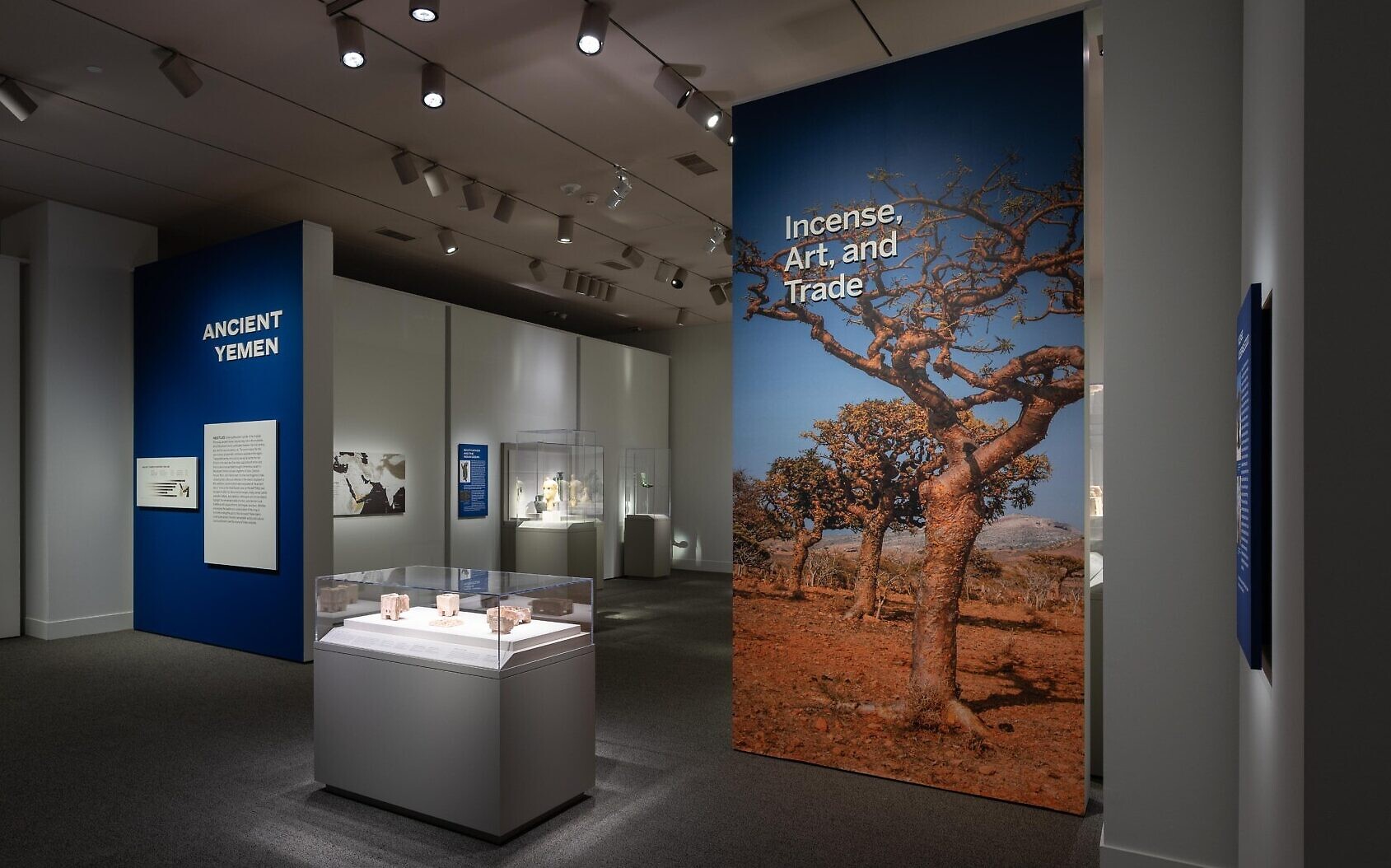
The preservation of Yemeni architecture is vital for maintaining cultural heritage. Yemeni buildings showcase ancient craftsmanship and unique designs. Preserving these structures faces many challenges. Yet, the role of local communities is crucial. Let’s explore these aspects in detail.
Challenges And Solutions
Yemeni architecture preservation faces numerous challenges. One major issue is the damage from conflicts. War and unrest lead to destruction of buildings. Another challenge is the lack of funding. Proper restoration requires significant financial resources. Environmental factors also play a role. Harsh weather can deteriorate structures over time.
To address these challenges, various solutions are being implemented. International aid is one significant source of funding. Organizations provide financial support for restoration projects. Advanced technology helps in preserving structures. Digital mapping and 3D modeling assist in accurate restorations. Community involvement is another key factor. Local people play an active role in preserving their heritage.
Role Of Local Communities
Local communities are essential in the preservation process. They possess traditional knowledge crucial for maintaining structures. This knowledge includes techniques passed down through generations. Communities also provide labor and resources. Their active participation ensures sustainable preservation.
Educational programs are vital for community involvement. These programs teach young generations about their heritage. Schools and local organizations often conduct these programs. Cultural events also promote awareness. Festivals and exhibitions highlight the importance of preservation.
Local communities often form preservation groups. These groups organize restoration projects. They also collaborate with international organizations. This ensures a combined effort in preserving Yemeni architecture.
| Challenges | Solutions |
|---|---|
| Damage from conflicts | International aid |
| Lack of funding | Advanced technology |
| Environmental factors | Community involvement |
In summary, preserving Yemeni architecture is a collaborative effort. Challenges are significant, but solutions are available. The role of local communities is indispensable. Their involvement ensures that ancient heritage remains intact for future generations.
Credit: www.almadeluce.com
Credit: www.timesofisrael.com
Conclusion
Embracing Yemeni interior elements adds timeless charm to any space. These ancient architectural features offer unique, cultural beauty. Incorporate traditional patterns, earthy tones, and intricate details. Transform your home into a sanctuary that reflects history and artistry. Enhance your living space with the rich heritage of Yemeni design today.


